

Take Your Bee Garden Tour Today!
•
Alexa Sims
Read more

From hive to table, discover the magic of raw honey. Explore thoughtful food pairings, honey health, and the bee wisdom found in every jar.
Great honeys tell a complete story of where they came from and how they were made. Start here to learn what shapes a honey’s flavor, texture, rarity, and quality from bloom to bottle.
A clear guide to honey flavor, crystallization, and knowing just what to look for in real honey.
Read the Full Guide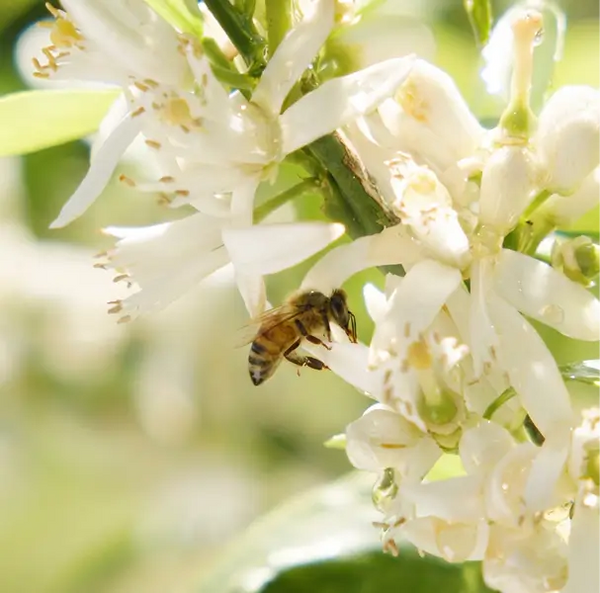
How flower fidelity helps create monofloral honeys, and why bloom-specific honeys taste so different.
What is the difference between raw and altered honey?
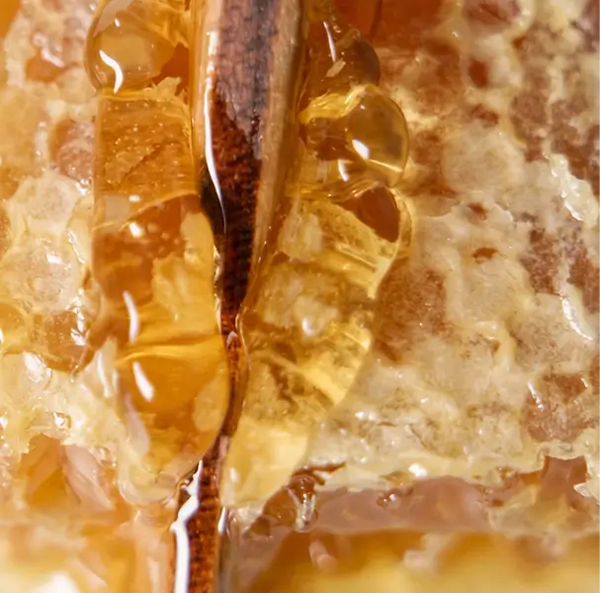
The science of glucose vs. fructose, and why crystals are a sign of real honey.

Learn how place affects flavor, and why remarkable honey can come from every corner of the earth.
Honey is more than just sweet. Every honey is marked by varying flower sources, weather, and location. No two jars are alike.
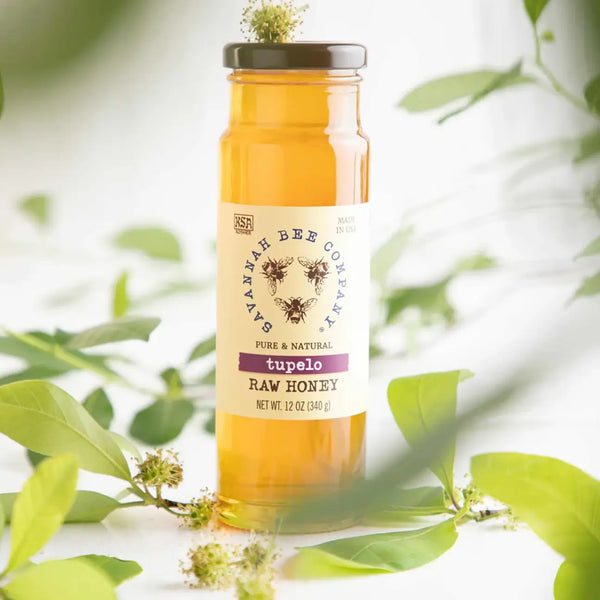
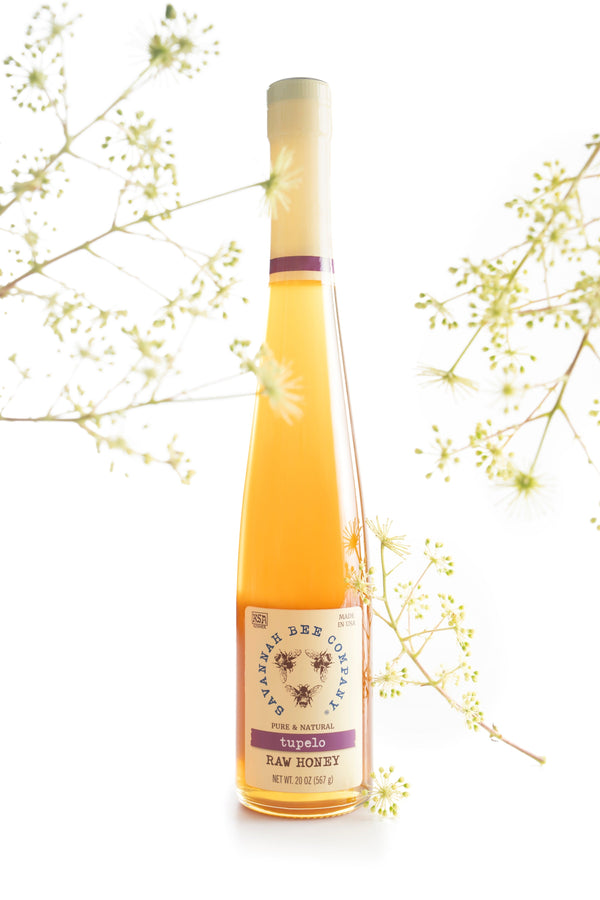
Floral, buttery, and soft on the finish. From the teeming tupelo groves of Southern Georgia.
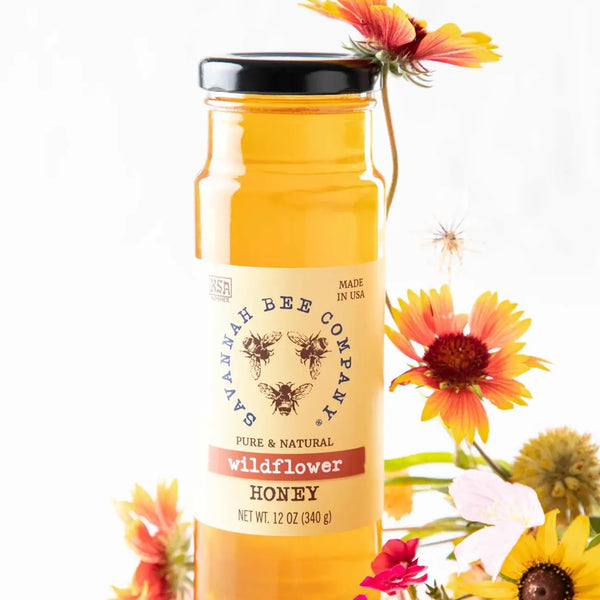
A complex polyfloral made from whatever is in bloom, varying depending on the whimsy of the bees.
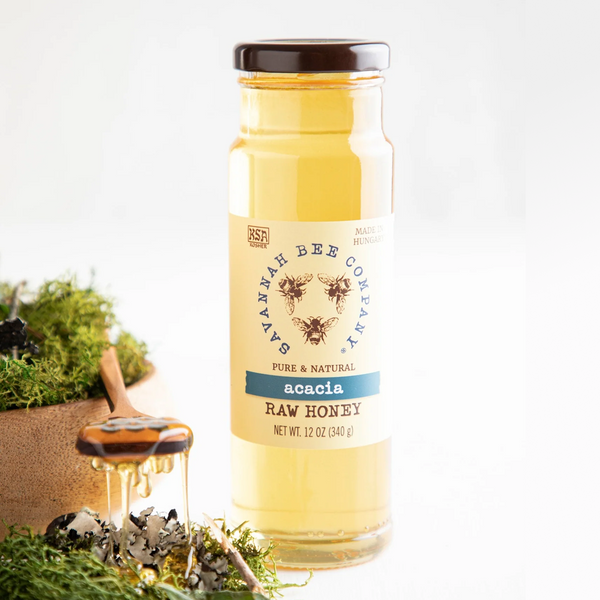
Light and delicate, with gentle vanilla notes. From the forests of Hungary and Romania.
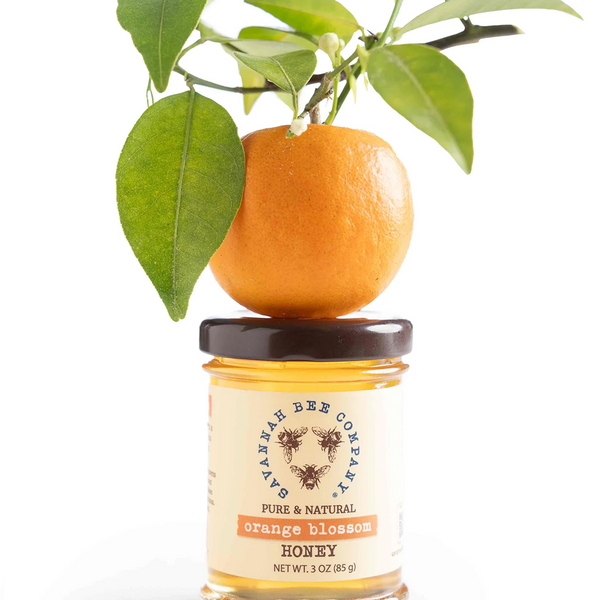
Bright and sweet, with a subtle citrus finish. From blossoming orange groves around the world.
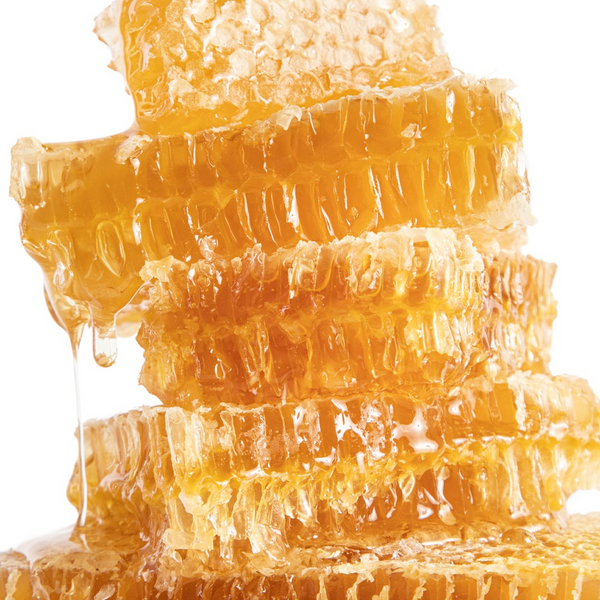
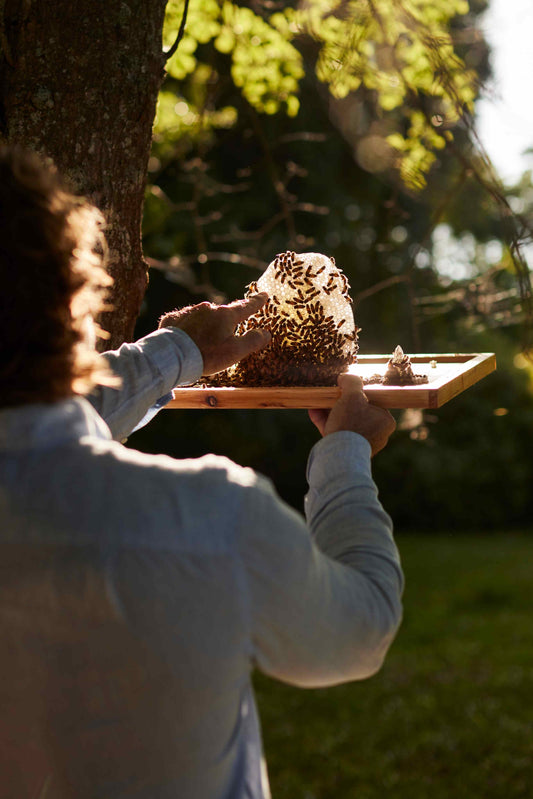
Honey in its most natural form, cut straight from the hive and as sweet as can be.
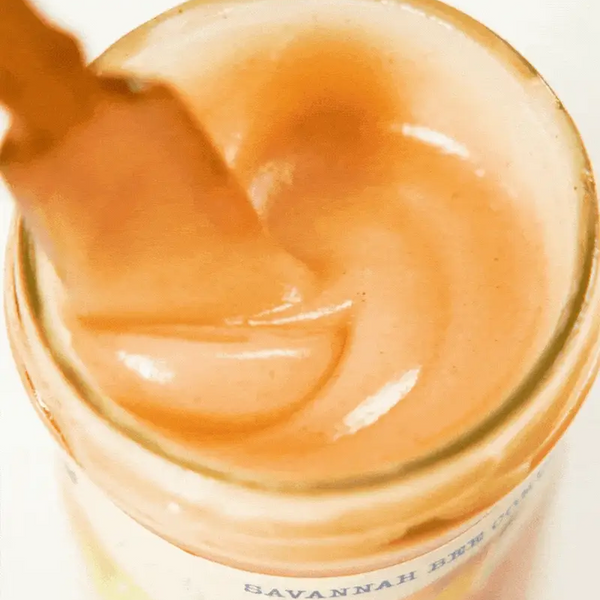
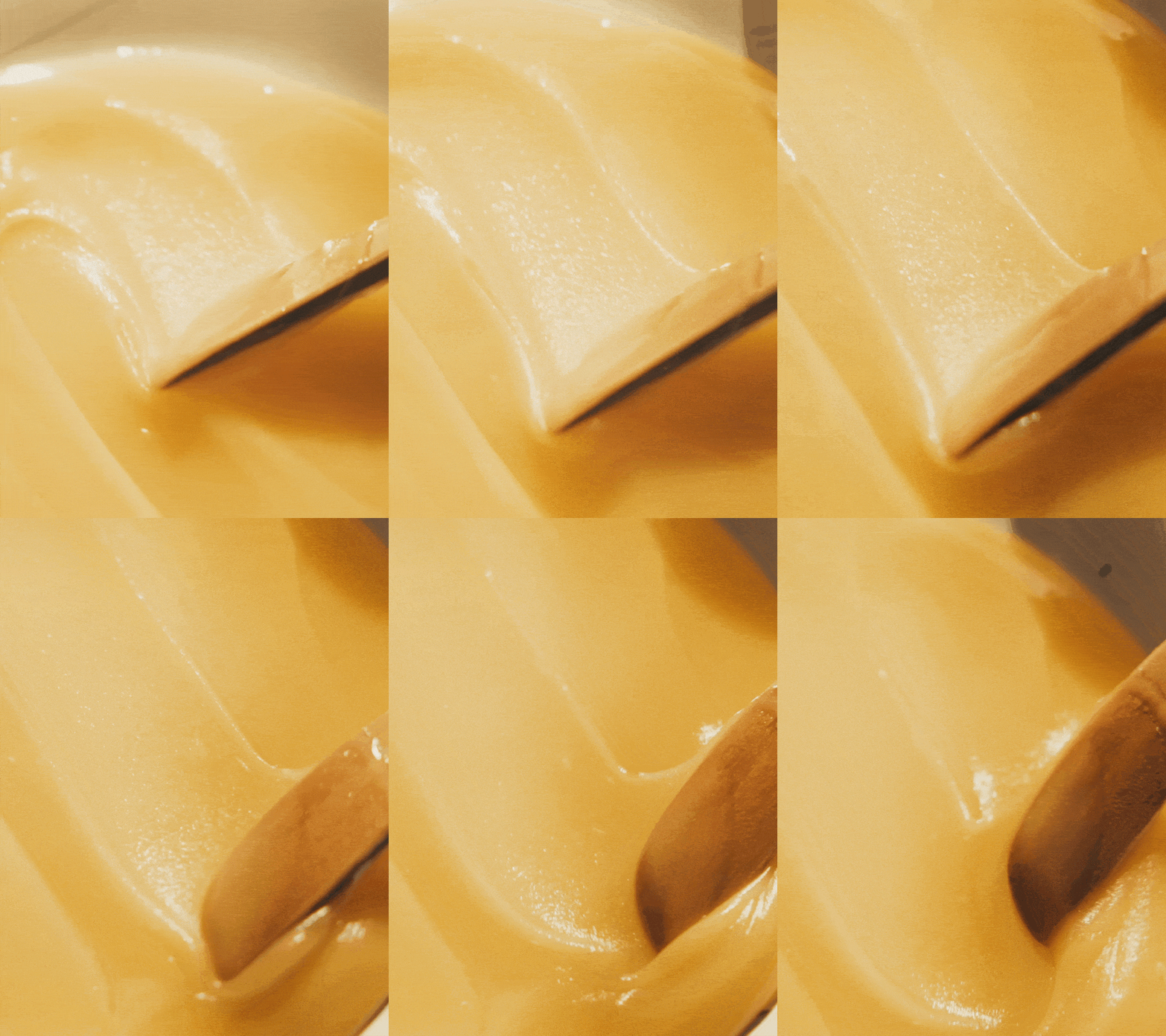
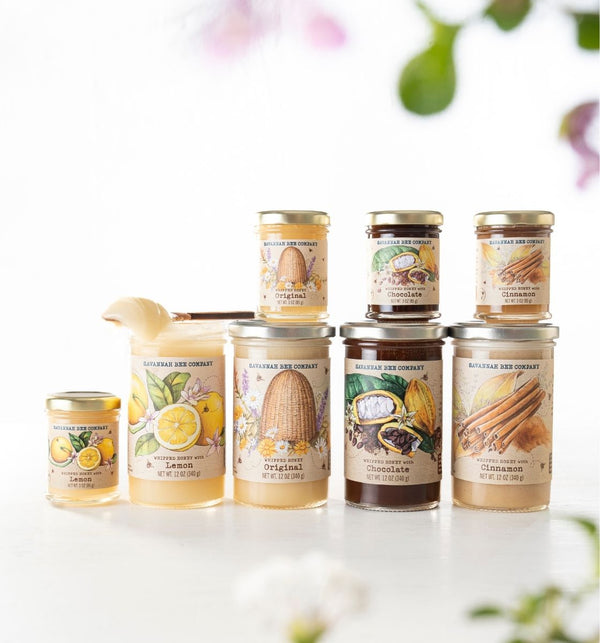
Creamy, spreadable, and available in a variety of unique and delicious seasonal flavors.

Ready to taste the difference?
Shop raw, monofloral, whipped, and everyday honeys.
Learn about raw honey, bee pollen, propolis, royal jelly, and other ingredients from the hive.
A grounded guide to honey’s natural makeup, from sugars and enzymes to the antimicrobial and healing qualities people have valued for generations.
Read the Full Guide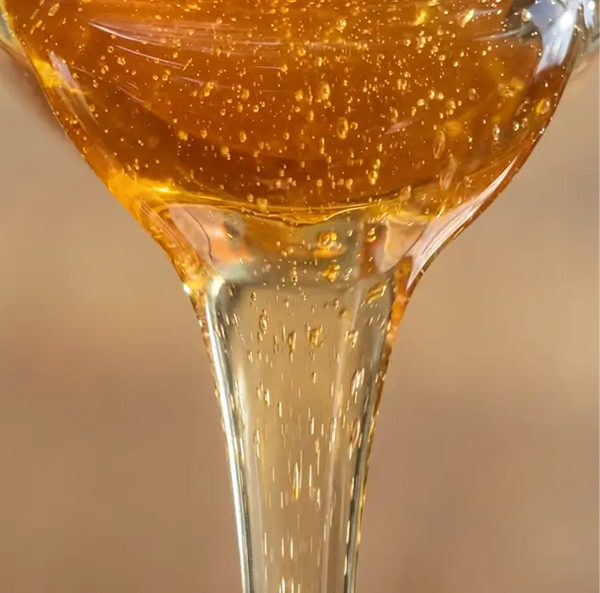
Why honey helps attract and hold moisture, and why it’s such a valued ingredient in skincare.
A closer look at the qualities discussed in honey research, from low pH to natural protective traits.
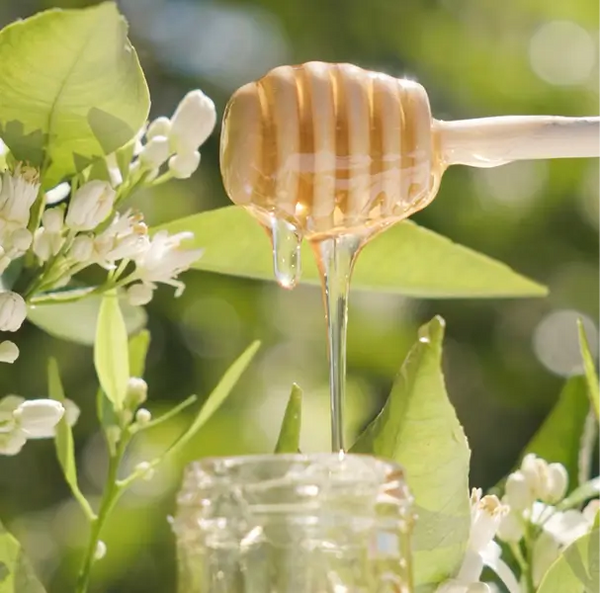
Why honey is used for soothing support, whether in tea, warm water, or taken by the spoonful.
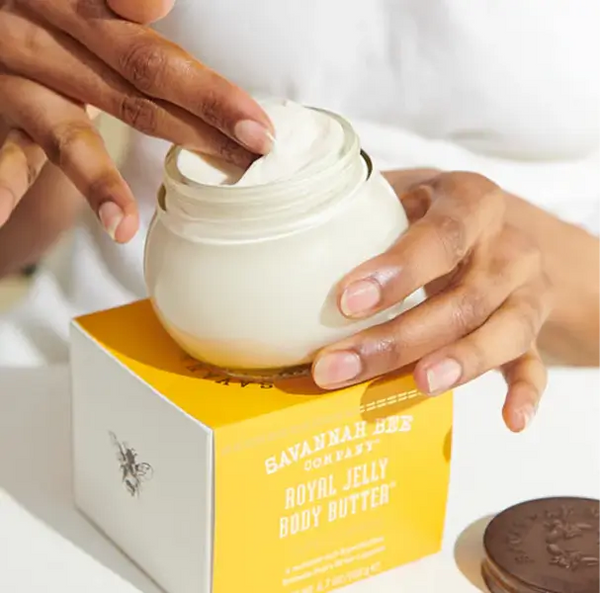
Simple ways hive ingredients like honey, beeswax, propolis, and royal jelly support nourished skin.
Bees make more than honey. Meet the hive ingredients behind our body care line.

A protective hive resin and one of the most distinctive ingredients in bee-powered body care.
Learn more
A natural emollient that forms a protective moisture barrier. The base of our balms and candles.
Learn more
A queen-making superfood. One of the hive’s most prized ingredients, used for rich, nourishing moisture.
Learn more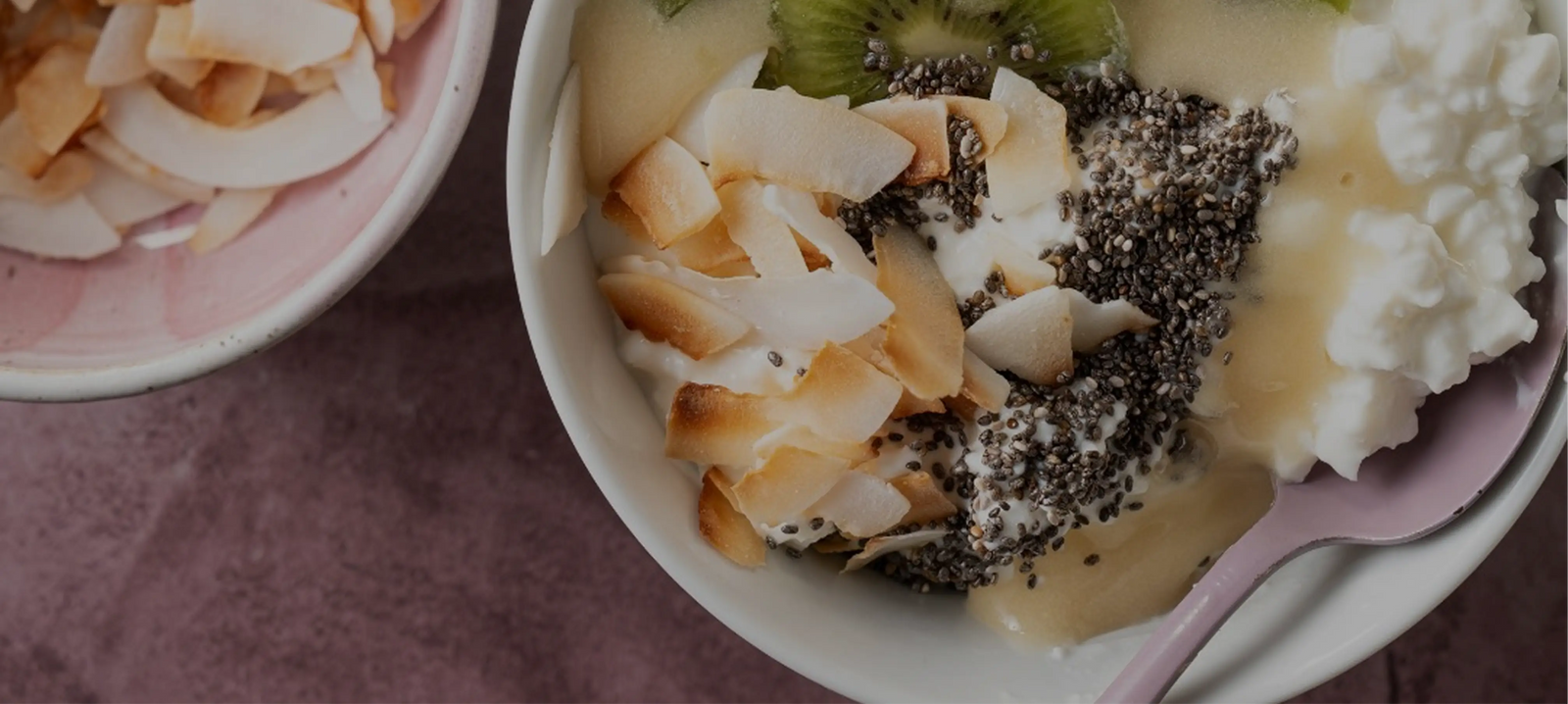
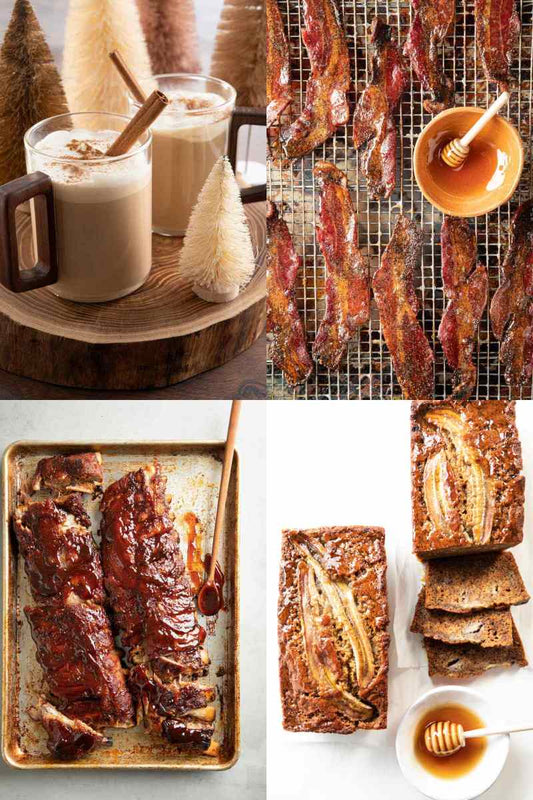
The right honey can change the whole plate. Find the best matches for biscuits, cheese boards, tea, cocktails, and more.
 from the hive
The real heroes behind every jar.
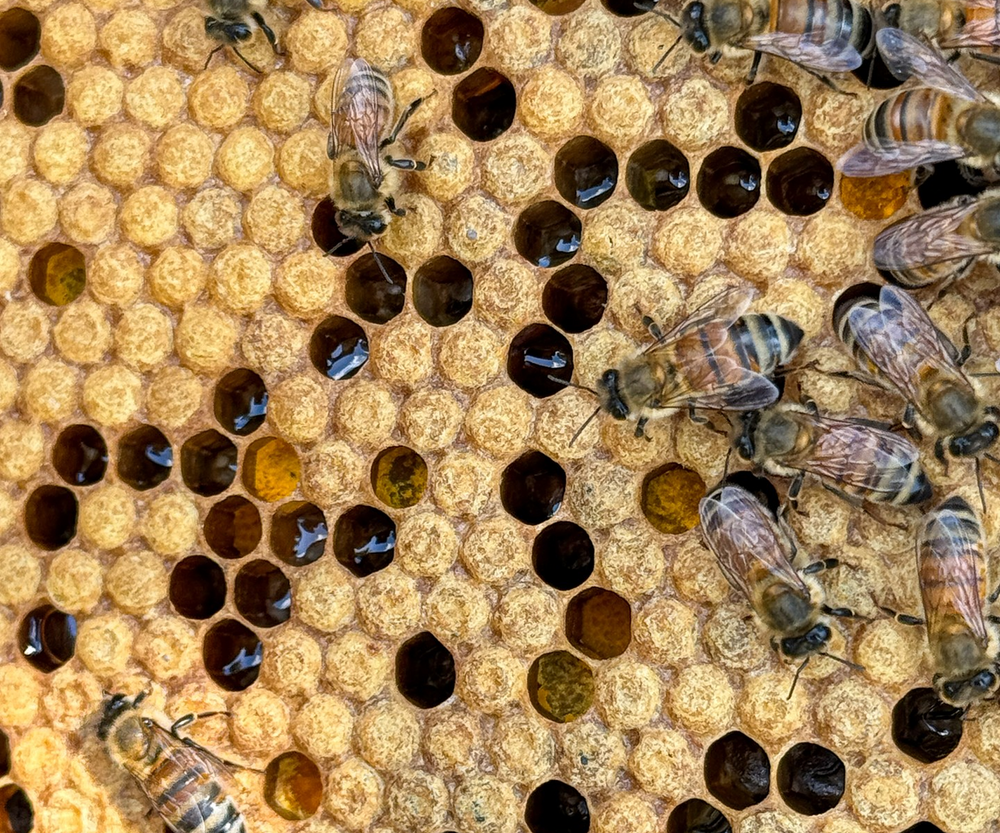
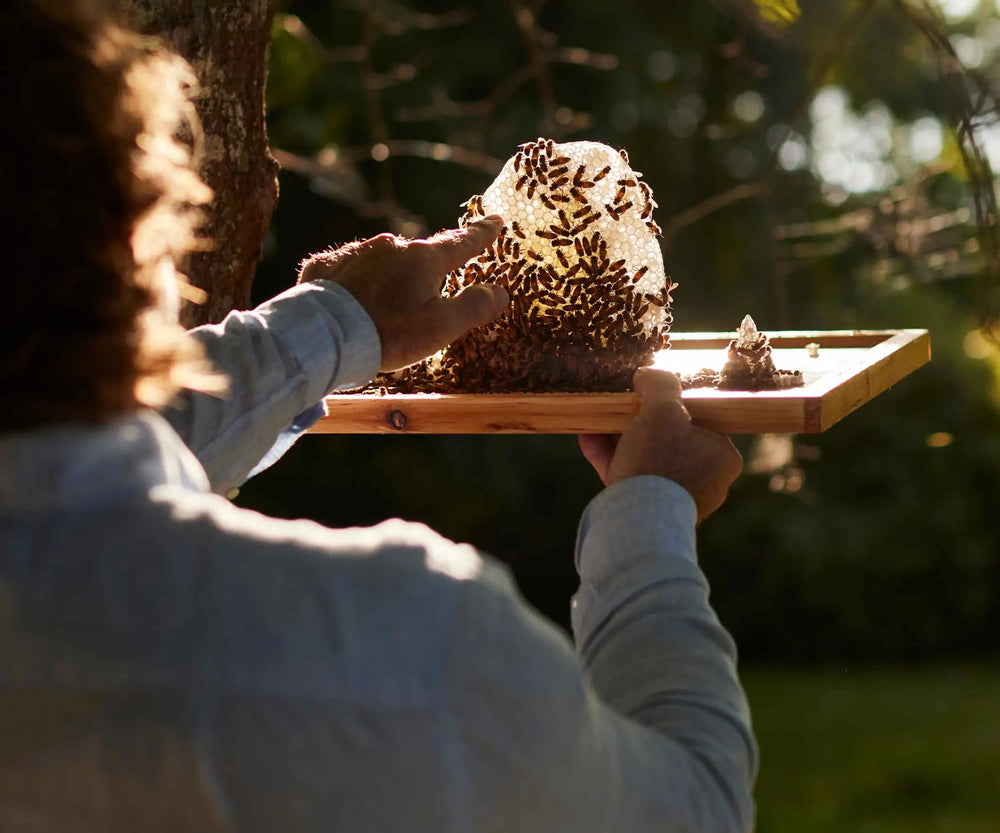
Explore how bees make honey, why flower fidelity matters, and why healthy environments for bees make all the difference in the quality of a honey.
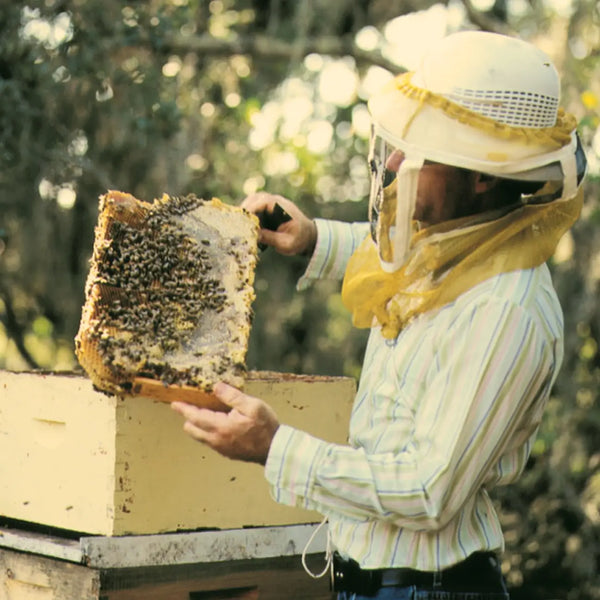
From Spanish cave paintings to the Langstroth hive, how humans learned to work with bees.
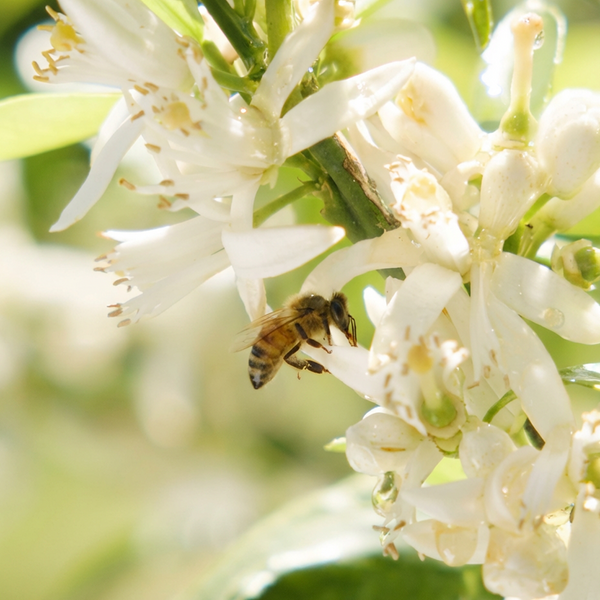
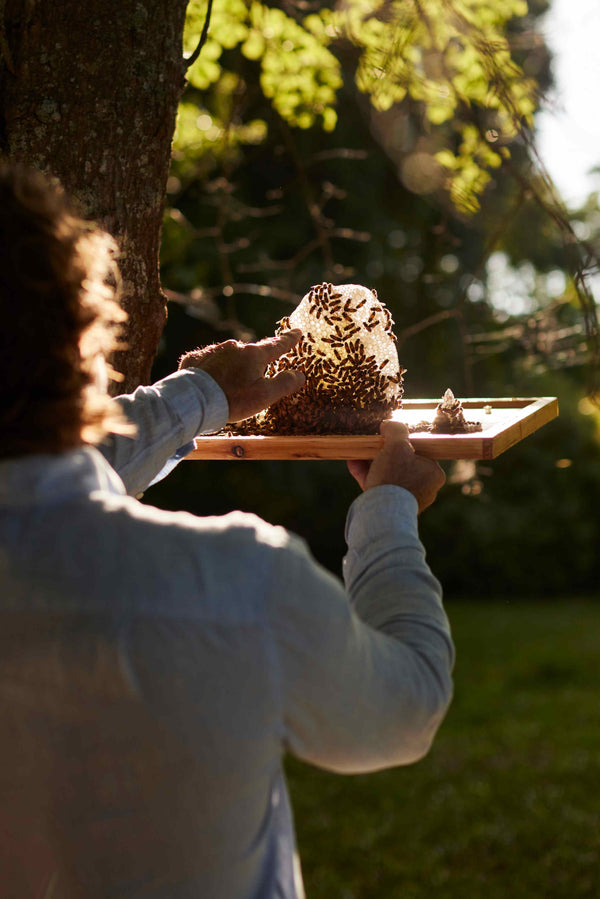
How bees pollinate, why they stick to one flower species, and how that creates monofloral honey.
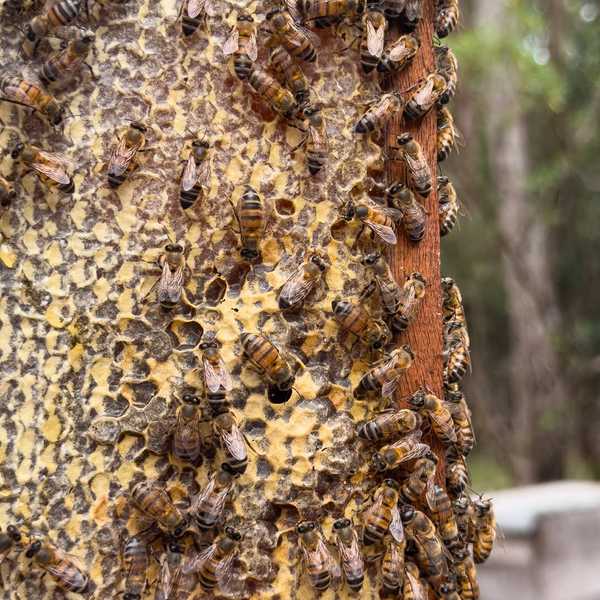
One-third of global food depends on pollinators. Habitat loss, threats, and what you can do.
Get answers to some of the most common questions about honey, from how it supports its habitat to the best way to store your supply.
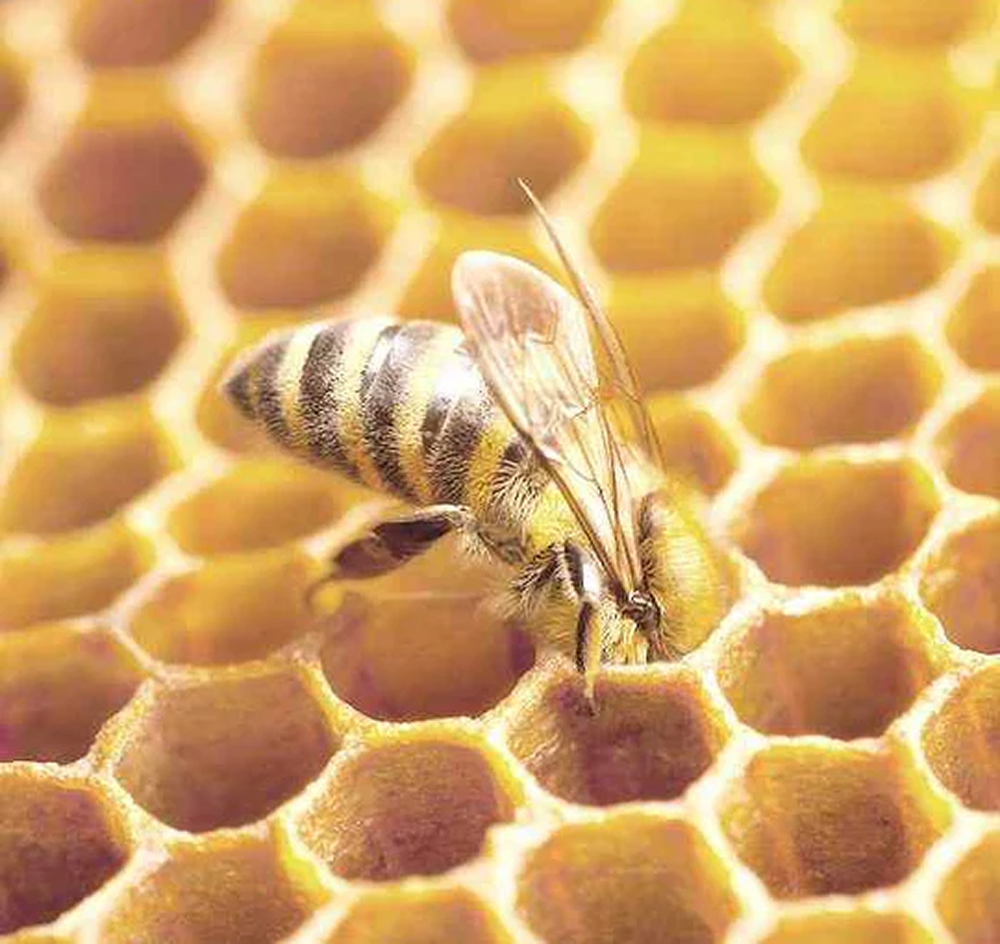
Honey begins as nectar. Thin, watery, and fleeting, it starts in flowers, not in the hive.
Read the Full Guide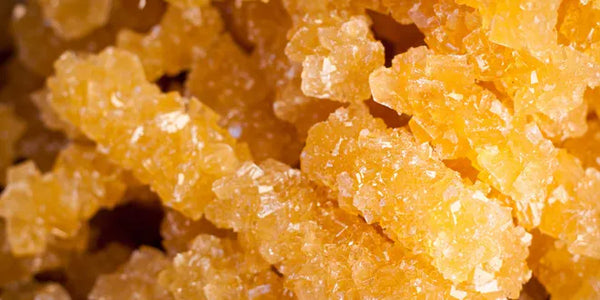
Crystallized honey usually means your honey is acting like real honey.
A jar can sit on the shelf for months or even years and still be perfectly good to use.
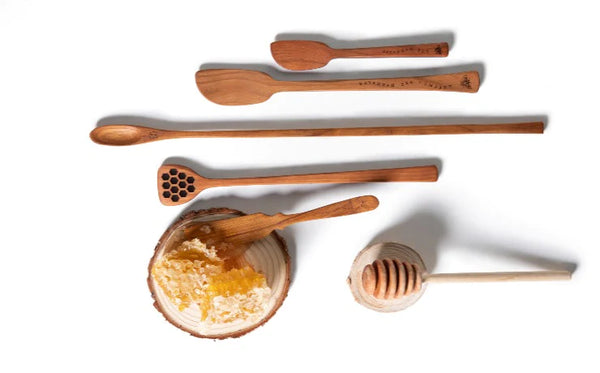
It pours in a slow ribbon. It gathers at the lip of the jar. It clings to the hand that serves it.
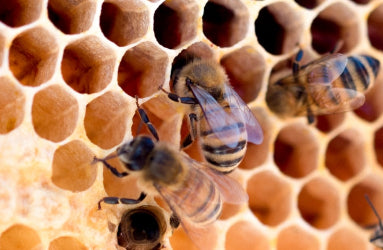
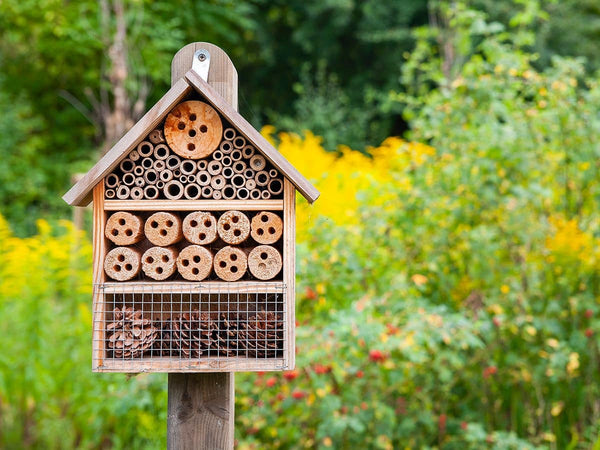
Well-sourced honey can help protect bee habitats with natural support for the ecosystem it inhabits.
If stored properly, raw honey does not expire. Over time it may darken a bit or crystallize, but neither are considered spoilage.
Crystallization is a natural process where glucose separates from water and forms crystals. In fact, high-quality, raw honey often crystallizes faster.
To bring it back to a liquid form, you can warm it up, preserving flavor, aroma, enzymes, and nutritional properties.
Just place the honey jar (lid on, loosened slightly) in a bowl or pot. Then add warm water to the pot—think hot bath, not tea. Let the jar sit for 15–30 minutes, stirring occasionally to distribute heat, and refreshing the warm water if needed. Before long your honey will be back to its original, flowing state.
Do not microwave the honey, put it on the stovetop, or use boiling water.
Raw honey is handled more gently, so it keeps more of its natural character. Processed honey is usually filtered further for a clearer, more uniform look.
For children under 12 months, no. The CDC says honey should not be given to infants younger than 1 year. For older children, honey is generally fine.
Savannah Bee is bee-first. The company says it sources distinctive honeys from beekeepers around the world, most of whom it knows by name, with a focus on remarkable floral sources, careful stewardship, and honeys that taste like where they came from.

Earn Royalty Rewards points every time you shop, review, or refer a friend—and unlock delicious rewards with each buzz. Start as a Newbee, climb tiers to unlock free shipping, surprise gifts, and exclusive seasonal perks.
YES, I WANT PERKS!