




One flower can change an entire jar.
Monofloral honey begins with a simple idea: when bees work a strong bloom, that bloom can leave a clear signature in the honey. That is why one honey tastes buttery while another feels bright, delicate, floral, or rich. The nectar changes. The honey changes with it.
At Savannah Bee Company, monofloral honey is one of the clearest ways to understand that honey is never just honey. A jar of Tupelo Honey doesn’t read like Orange Blossom Honey. Acacia Honey doesn’t move across the tongue like Lavender Honey. Each one carries a different flower, a different place, and a different reason for being remembered.
This guide explains what monofloral honey is, why it matters, how it differs from wildflower honey, and why the best monofloral honeys feel so unmistakably of their bloom.
What Is Monofloral Honey?
Monofloral honey is honey that comes primarily from one dominant nectar source.
That doesn’t mean bees visit only one flower forever. It means a single bloom leads the story of the jar. When the bloom is strong enough, and the timing is right, the honey takes on the flavor, aroma, and character of that dominant floral source.
That is why monofloral honey matters. It gives honey a clearer point of view.
What monofloral honey is not
Monofloral honey isn’t a promise that every drop came from one flower and one flower only. It is a way of saying one bloom shapes the identity of the honey more than the rest.
That is also why monofloral honey can still vary from season to season. Nature is never perfectly fixed. But the bloom still leads.
How Bees Make Monofloral Honey Possible
Monofloral honey begins with the remarkable consistency of bees.
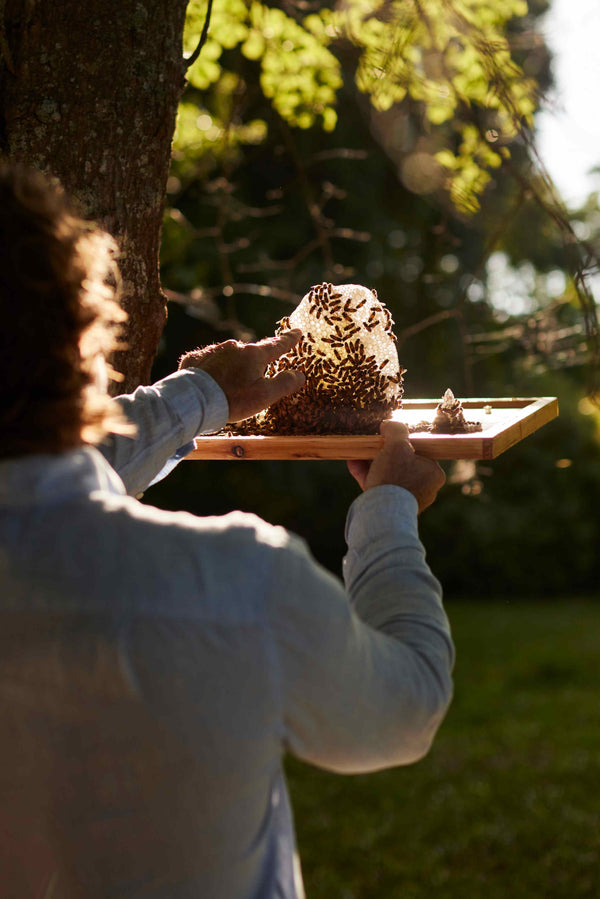
During a foraging trip, honeybees often return to the same kind of flower rather than bouncing randomly from bloom to bloom. That tendency helps explain how a strong floral source can come through so clearly in the honey.
When hives are placed near a major bloom at the right moment, and honey is harvested during that bloom window, the result can be a honey shaped primarily by one nectar source.
That is why monofloral honey always carries more than flavor. It carries timing, place, and the patient work of bees following bloom.
Why Monofloral Honey Tastes So Different
The bloom changes the nectar. The nectar changes the honey.
That is the simplest answer.
A tupelo bloom produces a very different honey than orange blossom. A black locust bloom produces a different honey than lavender. Those differences show up in flavor, aroma, color, texture, and sometimes even in the way a honey behaves over time.
Monofloral honey makes those differences easier to notice because the floral source is more clearly defined.
Flavor
Some monofloral honeys feel buttery and soft. Others feel bright and citrus-kissed. Others lean floral, herbal, light, or rich.
Texture
Some monofloral honeys pour easily for a long time. Others thicken or crystallize more readily.
Color
Monofloral honeys can range from pale and luminous to deeper golden tones depending on the flower behind them.
Monofloral Honey vs. Wildflower Honey
This is one of the most useful distinctions on the honey shelf.
Monofloral honey comes primarily from one dominant nectar source. Wildflower honey comes from a broader mix of blooms.
That means monofloral honey usually offers a more focused floral identity, while wildflower honey tends to feel wider, more layered, and more seasonally mixed.
Neither one is automatically better. They simply tell different stories.
Monofloral honey is often the jar people reach for when they want to taste the bloom clearly. Wildflower honey is often the jar people reach for when they want a broader expression of forage and season.
Monofloral Honeys at Savannah Bee Company
Savannah Bee Company’s monofloral honeys show just how different one flower can make a honey feel.
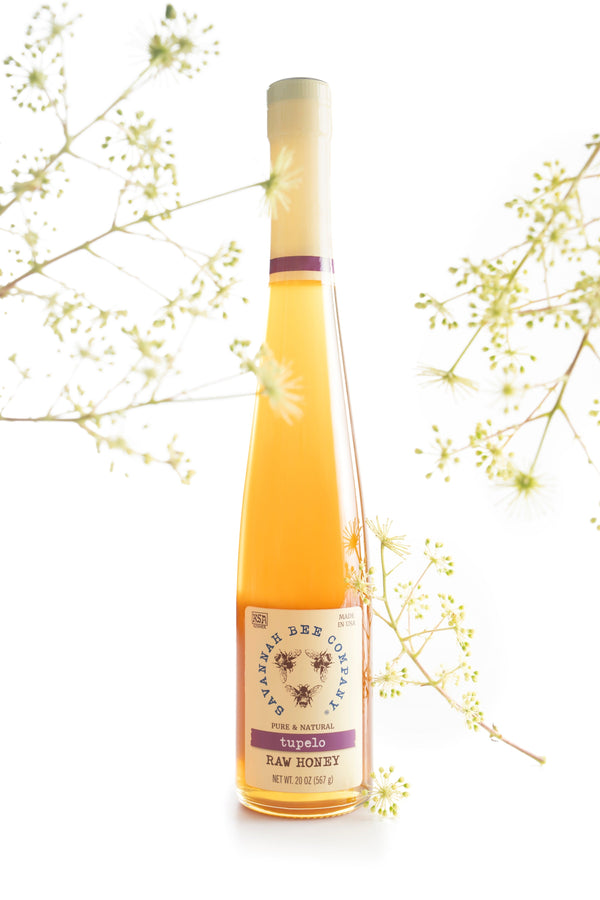
Tupelo Honey
Tupelo Honey is one of the most distinctive monofloral honeys on the shelf. It is buttery, smooth, and rooted in Georgia and Florida. The bloom window is just a few short weeks each spring. Some years it can be just a few days long. But the flavor is unmistakable, and each jar carries the wetland character of tupelo country.
Acacia Honey
Acacia Honey is pale, delicate, and known for its light vanilla notes and graceful texture. It comes from the black locust forests of Hungary and Romania and shows how elegant a monofloral honey can feel.
Lavender Honey
Lavender Honey is floral and rich, shaped by the bloom story of Spain and Portugal. It carries more perfume and depth than the lighter monoflorals and shows how expressive a flower-driven honey can become.
Orange Blossom Honey
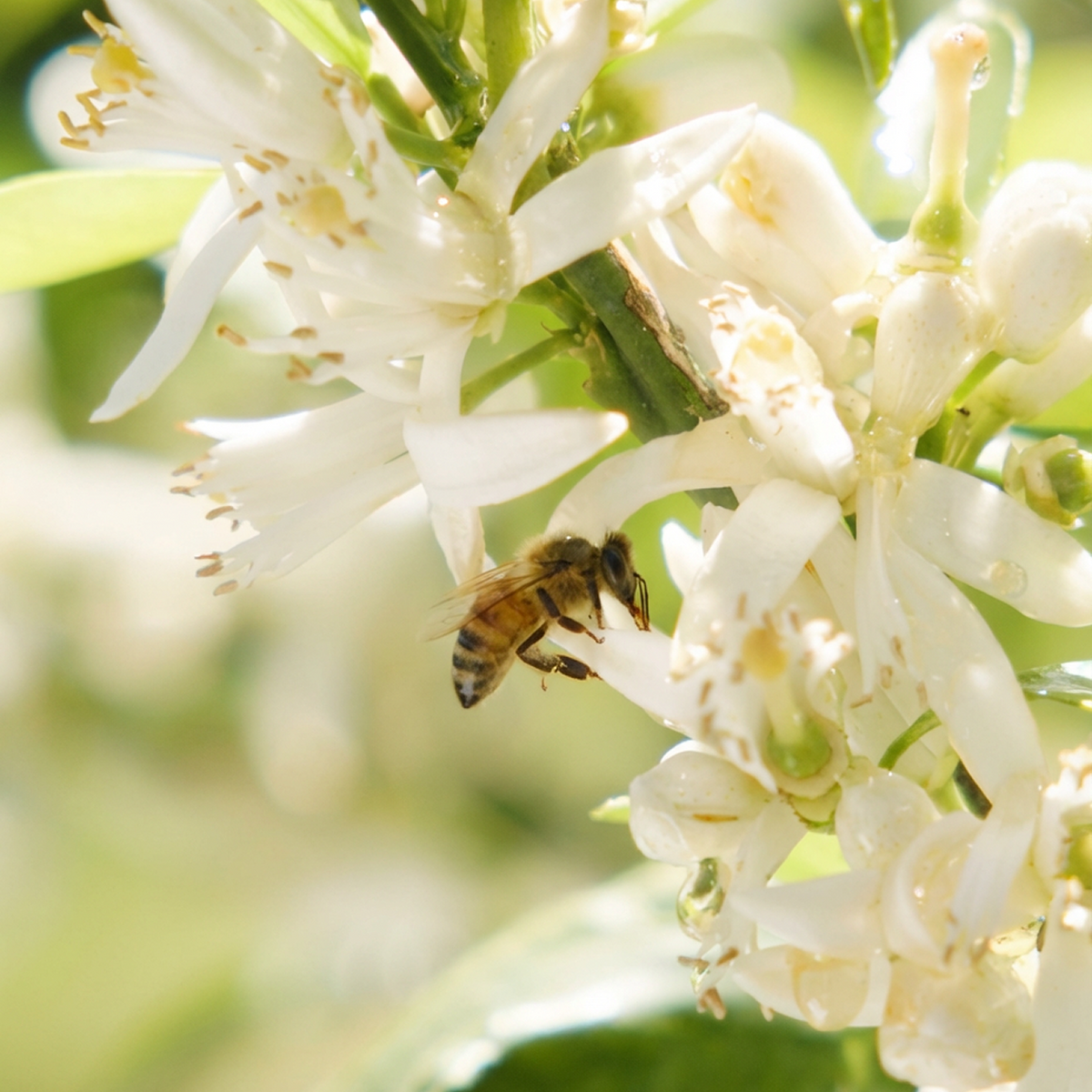
Orange Blossom Honey is bright, sweet, and touched with citrus. It comes from orange blossom nectar and offers one of the easiest monofloral profiles to recognize on first taste.
Why Monofloral Honey Matters
Monofloral honey matters because it helps people taste honey more carefully.
It teaches the difference between one floral source and another. It teaches that geography matters. It teaches that bees, bloom, and season all leave their mark on the jar.
Most of all, it reminds people that great honey is not interchangeable.
What to Look for When Buying Monofloral Honey
The best monofloral honey doesn’t just name a flower. It gives that flower a real setting.
Look for a named bloom
Tupelo. Acacia. Lavender. Orange Blossom. A clear floral source is the foundation of the category.
Look for a place
A monofloral honey should feel connected to a landscape, not just a label.
Look for flavor language that fits the bloom
A strong monofloral honey should sound and taste like a specific flower story, not generic sweetness.
Look for a jar with character
Monofloral honey should feel like it came from bees working a real bloom in a real season.
Keep following the bloom.
The more clearly you taste one flower in the jar, the more clearly honey begins to reveal what bees and bloom can do together.


