




How Honey Helps Protect Bee Habitats
Well-sourced honey can help protect bee habitats with natural support for the ecosystem it inhabits. Honey that respects its source gives value to the places bees need, rewards beekeepers who tend healthy hives, and keeps floral landscapes worth returning to year after year. When people learn to care where honey comes from, they usually start caring about what bees depend on too.
That shift helps us understand that the best honey has never been just about sweetness. It’s about the taste of bloom, informed by weather, place, and bee labor, all captured in a single unique harvest.
Good Honey Begins in a Living Landscape
To make truly remarkable honey, bees need forage. They need bloom cycles. They need healthy places to fly, gather nectar, and bring it home.
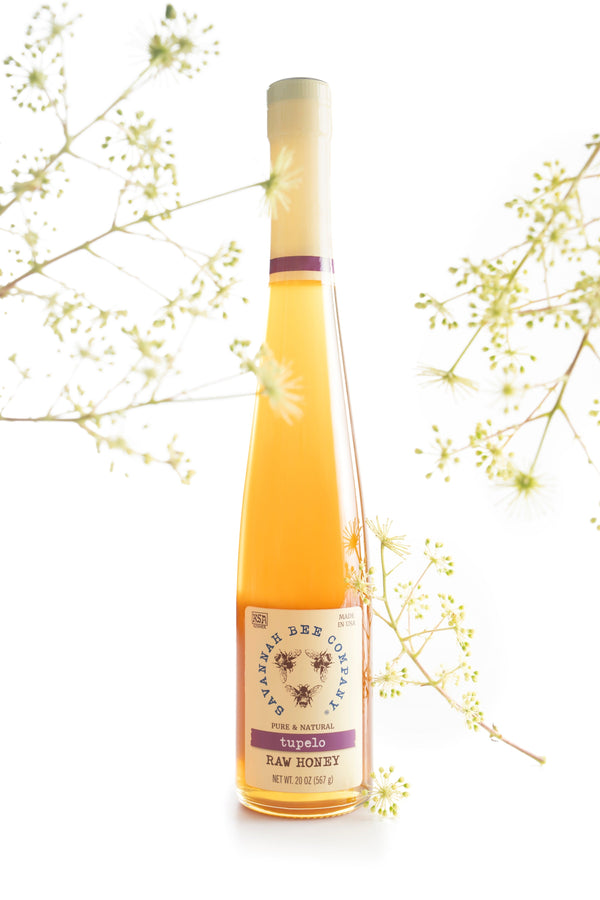
That’s why well-sourced honey starts with the landscape. Tupelo honey depends on swampy river systems and a very short bloom. Lavender honey depends on a specific floral season and a place where those fields can thrive. Orange blossom honey depends on citrus groves in bloom. The floral source isn’t decoration. It is the reason each honey tastes the way it does.
When a honey is valued for its source, habitat stops being background scenery. It becomes the story that the honey is expressing.
Habitat Shapes Flavor, and Flavor Gives Habitat Value
This is the part many honey lovers miss.
Bee habitat is more than an environmental issue. Habitat also shapes flavor. Different flowers, soils, climates, and bloom windows create real differences in color, texture, aroma, and finish. A buttery tupelo does not taste like a bright orange blossom. A delicate acacia does not land like a richer wildflower honey.
Once people understand that, honey stops feeling interchangeable.
That change in perception is powerful. When buyers recognize that a honey’s character comes from a specific place, they are more likely to value the bloom, the region, and the conditions that made it possible. In other words, better taste can lead to better attention. And attention is often where protection begins.
Well-Sourced Honey Supports Better Beekeeping
Any given honey will generally reflect the close relationships between bees and beekeepers. A honey can carry indications of hive placement, and a real respect for seasonality. It asks better questions. What was in bloom? Where were the hives placed? Was this a short harvest or a broad one? What makes this honey worth separating from the rest?
That kind of sourcing encourages a healthier cycle. Beekeepers are rewarded not for pushing a generic product into the market, but for producing honey with a clear floral story and a clear sense of place. The more value attached to that distinction, the more reason there is to protect the conditions that allow bees to thrive there in the first place.
It also keeps the conversation where it belongs: with the bees, the bloom, and the people who know those landscapes well.
Protecting Bee Habitats Starts With Knowing the Source
If you want honey to support better outcomes for bees, source matters more than sentiment.
A well-sourced honey should tell you something meaningful about itself. It should point back to a floral source, a region, a season, or a beekeeper relationship. It should give you proof, not just pretty language.
Floral source
A real honey story starts with the bloom. Tupelo, orange blossom, lavender, acacia. The flower explains the flavor.
Region
Place matters because bees respond to real landscapes, not vague ideas. River basins, citrus groves, mountain fields, coastal bloom cycles. Geography should earn its place on the label.
Seasonality
Some of the most distinctive honeys exist because the harvest window is short. That scarcity is not hype. It is the rhythm of bloom.
Beekeeper stewardship
Healthy hives do not happen by accident. Good beekeepers watch placement, timing, forage conditions, and the well-being of the colony.
When honey carries that kind of specificity, the customer can finally answer the question behind every better food purchase: why this one?
Honey Can Turn Curiosity Into Care
The strongest connection between honey and habitat may be the simplest one.
People protect what they pay attention to.
A daily drizzle over toast. A spoonful in tea. A honey tasting that makes one jar feel bright and citrusy and another soft, buttery, and slow to fade. Those small moments build discernment. Discernment builds appreciation. Appreciation makes people more open to the deeper story: bees need healthy environments, floral diversity, and thoughtful stewardship if we want those honeys to keep existing.
That is how honey can become more than a pantry staple. It becomes a way in.
Not everyone starts by caring about habitat. Many people start by caring about flavor. That’s fine. In fact, that may be the best beginning. Taste the bloom first. Then follow it back to the field, the grove, the river, the wild edge, the beekeeper, the hive.
What Well-Sourced Honey Really Protects
Without bees, there is no food. Bees pollinate one third of everything we eat. Without them, our food system collapses. Caring about bees isn't a niche cause. It's one of the most urgent and universal issues on the planet. Buying quality honey, supports life on earth. And call us crazy, but we love supporting life on earth.


