


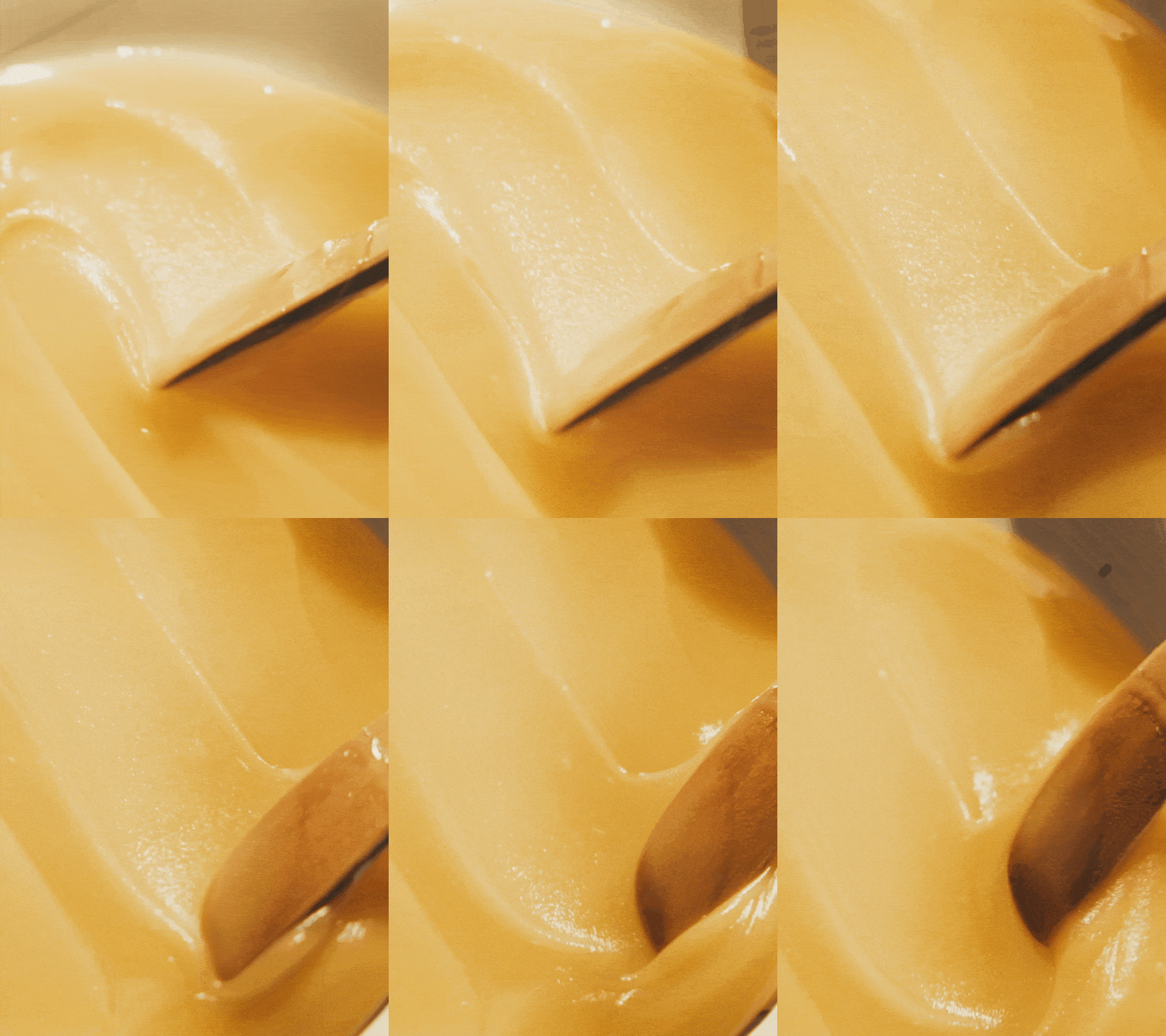


Honey Has a Texture of Its Own
Honey asks for a different kind of handling.
It pours in a slow ribbon. It gathers at the lip of the jar. It clings to the hand that serves it. Even a beautiful honey can feel a little awkward when the utensil is working against its texture. That’s where dedicated honey tools come in. They give the honey a more natural path from jar to table, with less mess and more control.
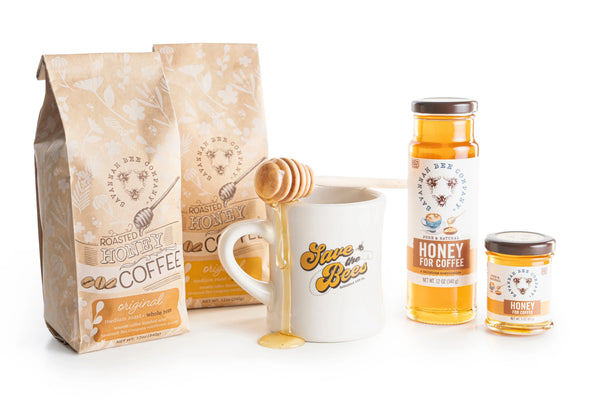
A honey dipper, for instance, holds the pour for a moment. That small pause matters. It lets you guide the drizzle over toast, yogurt, cheese, fruit, or a hot biscuit without flooding the plate or coating the rim of the jar.
Control Is Part of the Pleasure
People usually notice honey utensils first as a visual detail. The real value is in how they handle the honey.
A deep spoon can bring up too much at once. It can leave the jar sticky and the countertop worse. A dipper or serving spoon designed for honey slows the movement down and makes the serving feel more deliberate. You get a cleaner drizzle, a neater jar, and a better sense of the honey itself.
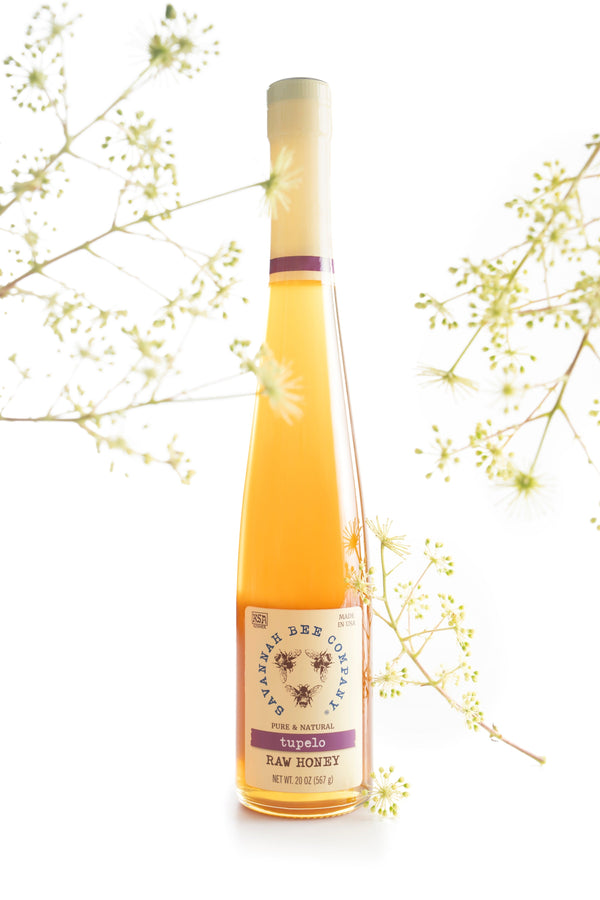
That matters more with distinctive honeys. When a honey has a bright citrus finish, a buttery softness, or a rich floral depth, the serving experience should feel as considered as the flavor. A good utensil helps preserve that feeling from the first lift to the last taste.
Wood Earned Its Place
Honey utensils also carry a material tradition that makes practical sense.
Honey is slightly acidic, so people have long favored materials that feel stable and gentle around it. Wood became a natural fit. It sits comfortably at the table, works beautifully with a slow pour, and suits the tactile pleasure of honey better than colder, harsher materials. A wooden dipper gives the hand a little more finesse. The honey gathers in the grooves, releases gradually, and lands where you want it.
That doesn’t require an exaggerated rule about metal. A clean stainless steel spoon is generally fine for serving. Still, wood has remained closely tied to honey for good reason. It handles well, looks right, and carries forward an older table habit that still feels useful.
Different Honey Styles Call for Different Tools
Honey isn’t always served in the same form, and the utensils evolved with that in mind.
A pourable monofloral honey benefits from something that lets the stream show itself. The slow fall is part of the appeal. Whipped honey calls for a spreader that can sweep through the jar and lay it onto bread in a soft, even layer. Raw honeycomb is easier to serve with a small knife or fork that can lift a piece cleanly onto a board or plate.
Once you start paying attention to texture, the utensils feel less decorative and more inevitable. They follow the product. They help each honey arrive in the form that suits it best.
They Keep Honey Easy to Reach For
There’s another reason dedicated utensils matter. They make honey easier to use well.
A jar that stays clean gets opened more often. A tool that drizzles neatly makes honey feel welcome at breakfast, on a cheese board, beside tea, or over dessert. That ease changes the rhythm of how people live with honey. It becomes part of the table instead of something that feels sticky, fussy, or mildly inconvenient.
For a product so rooted in pleasure, texture, and ritual, that shift is worth paying attention to. The utensil may be a small object, though it shapes the whole experience around the jar.
A Better Way to Serve What Bees Made
Dedicated honey utensils lasted because they solve real problems gracefully.
They suit honey’s texture. They help keep the jar tidy. They guide the pour. They make room for different serving styles, from a clean drizzle to a generous spread. Wood, in particular, became part of that tradition because it handles honey with a certain ease that still holds up.
And on the table, that ease is what people remember. The honey arrives cleanly. The flavor stays central. The ritual feels smooth, tactile, and worth repeating.


