




Honey is one of the most reliable things in the pantry.
A jar can sit on the shelf for months or even years and still be perfectly good to use. That is part of what makes honey so remarkable. Honey is unusually shelf-stable, and when it is stored properly, it can remain safe for a very long time. What changes over time is usually texture, color, or clarity, not safety.
Does Honey Expire?
Not in the way people usually mean.
Honey does not have the quick spoilage clock people expect from milk, bread, or fresh juice. Mississippi State University Extension says honey is safe to eat indefinitely as long as it is stored and handled properly. That is why an older jar is not automatically a bad jar.
Why Honey Lasts So Long
Honey keeps well because its chemistry does a lot of quiet work.
It is high in sugar, low in available moisture, and naturally acidic, which makes it a difficult environment for many microorganisms to grow in. Those same qualities are part of why honey has such a long shelf life compared with most other foods.
Does Honey Go Bad?
Honey is naturally very shelf-stable, though poor storage can affect its quality over time.
The main issues usually come from outside the honey itself. If a jar is left open, honey can absorb moisture from the air. If a wet or dirty spoon goes into the jar, that can introduce yeasts, molds, or bacteria. Mississippi State University Extension recommends using clean utensils, and Missouri Extension recommends keeping honey tightly covered so it does not absorb moisture or odors from the air.
When honey has truly spoiled, the signs are usually pretty clear. Mississippi State University Extension notes that foaming or an alcohol-like smell can point to fermentation.
What Best-By Dates on Honey Really Mean
A date on the bottle is usually about quality, not a countdown to danger.
The FDA explains that a “use by” date is generally the manufacturer’s recommendation for best flavor or quality, not a food safety date. Mississippi State University Extension makes the same point for honey more specifically, noting that a sell-by date is for store timing and is not an expiration date.
How to Store Honey the Right Way
The best storage habits are simple.
Keep honey tightly sealed so it stays protected from humidity and outside odors. Store it in a cool, dry place rather than near direct sunlight or heat-producing appliances. Missouri Extension says honey keeps best between 50 and 70 degrees Fahrenheit, and Mississippi State University Extension also recommends a cool, dry area away from heat and sun.
It also helps to use a clean, dry utensil every time you dip into the jar. That small habit goes a long way toward preserving quality.
Should You Refrigerate Honey?
Usually, no.
Refrigeration is not necessary for safety, and it tends to make honey crystallize faster. Missouri Extension says honey starts to form crystals as it ages or if it is refrigerated, and Mississippi State University Extension says the same. If you want honey to stay smooth and easy to pour, a pantry shelf is a better place for it.
What Changes Are Completely Normal?
Most changes people notice in honey are completely normal and easy to understand.
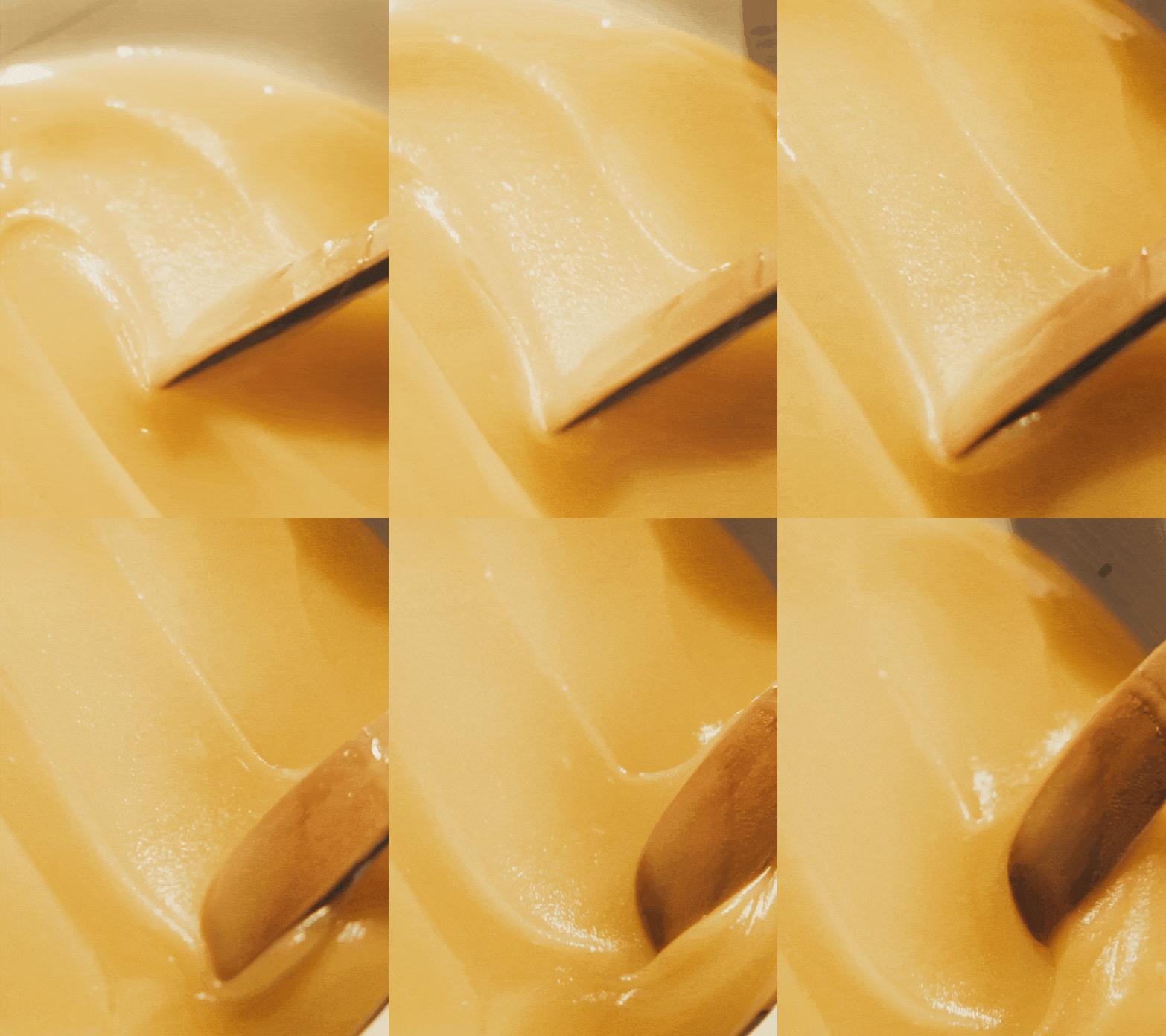
Honey may darken over time. It may become cloudy. It may thicken or crystallize. None of those changes automatically mean the honey has gone bad. Mississippi State University Extension notes that cloudiness often means crystallization has started, and Missouri Extension explains that crystal formation is a normal change as honey gets older or spends time in the refrigerator.
If honey crystallizes, gentle warming can help return it to a liquid state. Missouri Extension recommends placing the honey in a container set in warm water until it clears.
A Quick Safety Note
Honey is shelf-stable, but it should never be given to infants under 1 year old.
The CDC says honey is not safe for infants because it can contain the bacteria that cause botulism.
The Bottom Line
Honey’s long shelf life is real.
When it is tightly sealed, kept in a cool dry place, and handled with a clean dry utensil, honey stays usable for a very long time. Best-by dates are mostly about quality. Crystallization is normal. Most of the changes people notice in a jar are part of honey being honey, not a sign that something has gone wrong.


