


The Science Behind Raw Honey

Raw honey is still a food of flowers, sugars, and time.
Raw honey can sound rustic, almost simple. But the science behind it is anything but flat.
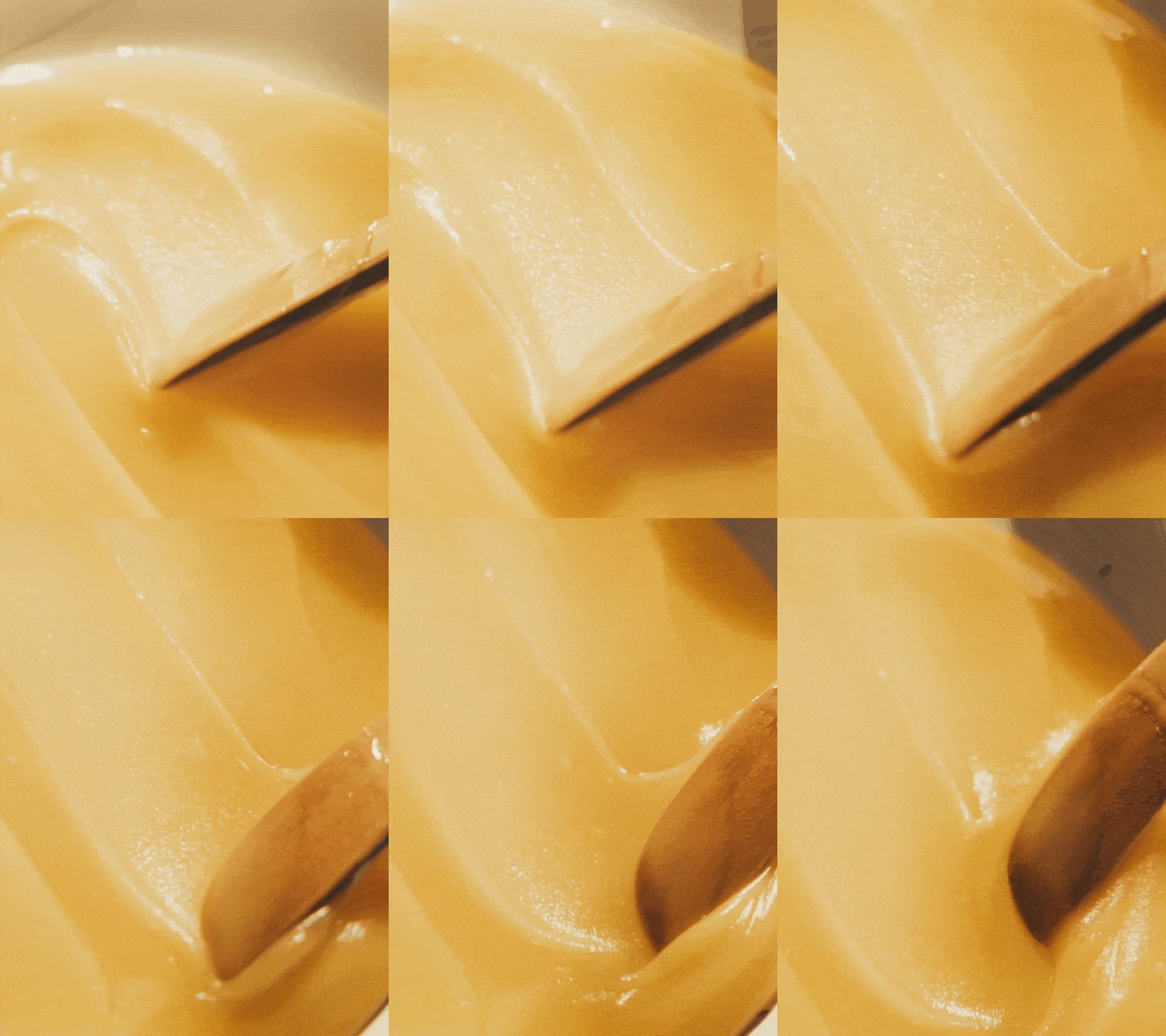
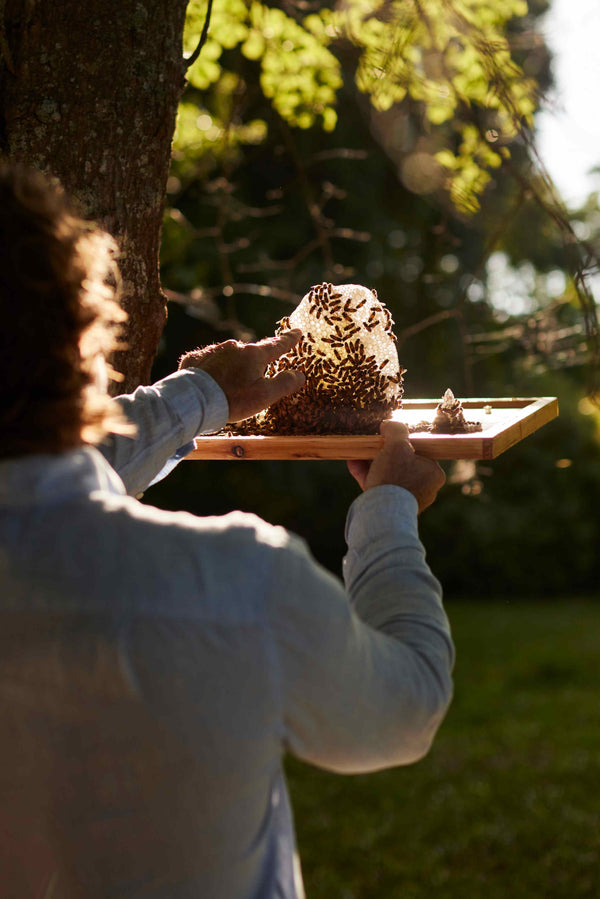
Honey begins as nectar gathered by bees, then transformed inside the hive into a concentrated food shaped by sugars, water, enzymes, bloom, and season. When that honey is handled more gently after harvest, more of its natural character stays with it. That is why raw honey often feels more vivid in the jar. The texture can shift. The flavor can stay highly specific to the bloom. The color can vary. The honey can crystallize and still be perfectly good.
At Savannah Bee Company, that is part of what makes raw honey so compelling. It still feels close to the living system that made it.
This guide explains the science behind raw honey in the clearest terms: what honey is made of, how raw honey differs in handling, why crystallization happens, and why one raw honey can feel completely different from another.
What Honey Is Made Of
At its core, honey is a concentrated natural sweetener made mostly of sugars and water.
The main sugars in honey are fructose and glucose. That sugar balance matters because it shapes sweetness, texture, and the way honey behaves over time. Honey also contains small amounts of other compounds that help give it aroma, color, and complexity.
That is one reason honey never feels generic when the bloom behind it is clear enough. The flower source still leaves its mark on the chemistry of the jar.
What Makes Raw Honey Raw
Raw honey is not a different species of honey. It is honey defined by handling.
After harvest, raw honey is usually treated with more restraint. It may be strained for cleanliness, but it is not pushed as far toward visual uniformity as a more heavily filtered honey.
That handling choice matters because it leaves more room for natural variation. A raw honey may look clear or cloudy. It may stay liquid or begin to crystallize. It may feel pale and delicate or darker and more robust depending on the bloom.
Raw honey is not one appearance. It is a category that leaves more of the honey’s natural character visible.
Why One Raw Honey Feels Different from Another
The science of raw honey gets much easier to understand once you stop thinking of honey as one thing.
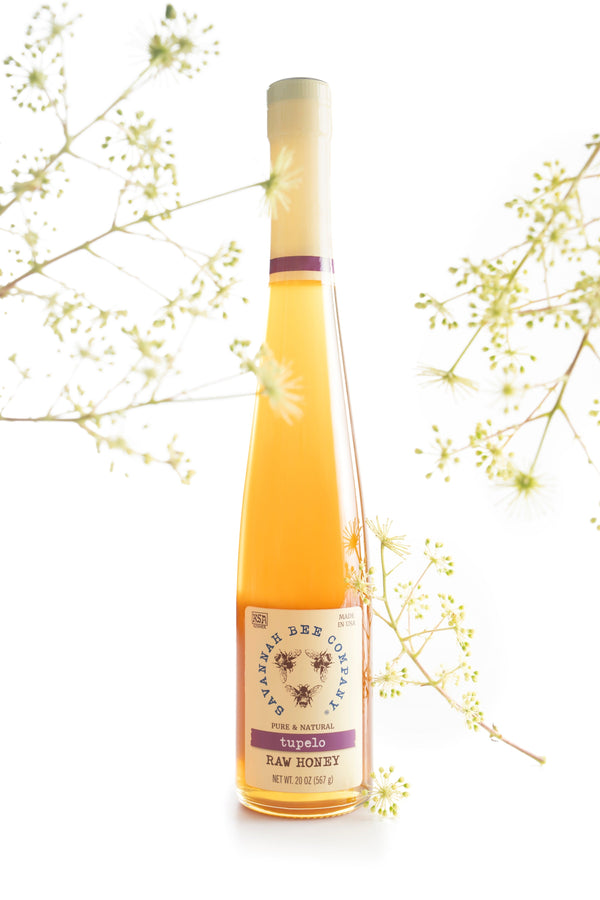
Different flowers create different nectar. Different nectars create different sugar balances, aromas, and textures. That is why Raw Tupelo Honey feels different from Raw Acacia Honey, and why Raw Lavender Honey does not move through the jar the same way either.
Floral source changes flavor
A dominant bloom can give honey buttery notes, floral notes, lighter sweetness, or a richer finish.
Floral source changes texture
Some honeys stay liquid longer. Some crystallize more quickly. The nectar behind the honey plays a major role in that behavior.
Floral source changes color
Raw honey can range from pale and luminous to deeper amber tones depending on where the bees have been.
Why Raw Honey Crystallizes
Crystallization is one of the most important parts of raw honey science because it surprises so many people.
Honey is a supersaturated sugar solution. Glucose comes out of solution more easily than fructose, which is why crystals begin to form over time. That change is natural. It does not mean the honey has gone bad.
This is one of the clearest examples of how chemistry shapes the everyday experience of honey. The same sugar balance that makes one honey taste a little different can also help explain why it stays liquid or turns thick and spreadable.
Why some raw honeys crystallize faster
Glucose content matters. Temperature matters. Tiny natural particles in the honey matter. Moisture content matters too.
That is why one raw honey may stay fluid for months while another begins to look opaque or grainy much sooner.
Why crystallization is not a flaw
Crystallized honey is still honey. In many cases, it is easier to spread and less likely to drip. The texture has changed, but the honey is still doing what honey naturally does.
Raw Honey vs. Filtered Honey
The science here is less about what the honey is and more about how it is handled.
Filtered honey is processed further for a clearer, more uniform appearance. Under USDA standards, filtered honey is honey that has been filtered to the extent that all or most of the fine particles, pollen grains, air bubbles, or other materials normally found in suspension have been removed.
Raw honey is usually handled more gently, which leaves more room for the small visual and textural differences people often notice first.
That does not mean filtered honey stops being honey. It means the presentation changes. Bloom and place still matter in both.
Why Raw Honey Often Feels More Alive
Science can explain only part of the appeal. The rest is still sensory.
Raw honey often feels more alive because it is less standardized in the jar. It may reflect the bloom more clearly. It may change texture. It may carry more visible variation. Those differences make the honey feel less like a fixed product and more like a food still showing its origin.
That is part of why raw honey can be so persuasive to people who care about source. It does not hide as much of its nature.
What Science Can Say, and What It Should Not Pretend to Say
Science can explain how honey behaves. It can explain why crystallization happens. It can explain how handling affects appearance and texture. It can explain why floral source matters.
What it should not do carelessly is turn honey into a cure-all.
A good raw honey guide does not need to overstate the case. The truth is already interesting enough. Honey is a flower-driven food transformed by bees and shaped by chemistry in ways you can actually see, feel, and taste.
Stay close to the jar.
The science behind raw honey is not abstract for long. It shows up in the spoon, in the texture, in the bloom, and in the way one honey can never quite be mistaken for another.
Published
