


Why Bees Matter

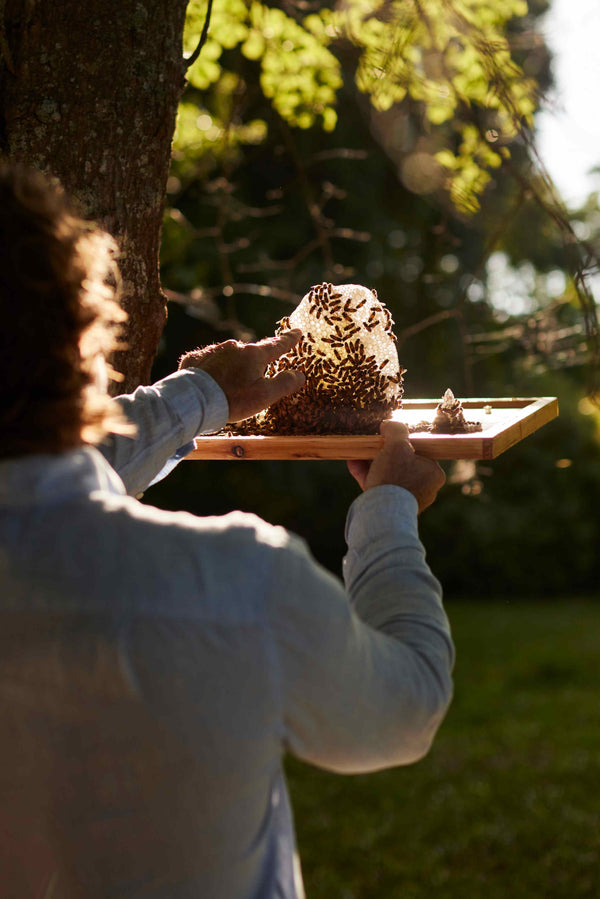
The story of honey begins in the hive.
Bees matter for a reason that goes far beyond sweetness.
They help flowering plants reproduce. They support food crops. They help shape landscapes full of fruit, seeds, nuts, and bloom. And in the case of honeybees, they also give us one of the most expressive foods in the pantry.
At Savannah Bee Company, that connection is everything. Honey is part of the story, but it is not the whole story. To care about great honey is, eventually, to care about the bees and habitats that make it possible.
This guide explains why bees matter, why pollination matters so much, how bees support food systems and biodiversity, and why protecting bees means protecting the places they return to.
Why Are Bees Important?
Bees are among the most important pollinators on Earth.
As bees move from flower to flower gathering nectar and pollen, they help carry pollen where it needs to go for many plants to reproduce. That process supports flowering plants, food crops, and the wider ecosystems built around them.
This is one reason bees matter so much. They are not only makers of honey. They are participants in one of the most important biological relationships on the planet.
Bees and Pollination
Pollination is the clearest answer to why bees matter.
USDA says pollination services from honey bees and other insects support more than 100 crops grown in the United States, while USDA and FAO both note that a large share of flowering plants and food crops depend on animal pollinators. Bees are especially effective because they visit flowers deliberately, gather both nectar and pollen, and often return to the same type of bloom during a foraging trip. (usda.gov)
That means bees help keep fields productive, orchards fruitful, gardens blooming, and wild landscapes reproducing.
Why Bees Matter to Food
Bees matter to food because pollination helps make diets more diverse and abundant.
Without pollinators, many fruits, nuts, vegetables, seeds, and plant-derived foods would be harder to grow at meaningful scale. USDA describes pollination as part of the backbone of diverse food systems, especially for fruits, nuts, and vegetables. (usda.gov)
This is one of the easiest ways to understand the importance of bees. They help shape what ends up on the table.
Why Bees Matter to Biodiversity
Bees matter to more than agriculture.
FAO says pollination is critical in both managed and natural terrestrial ecosystems, and that without pollinators and pollination, many species and ecological processes would collapse. That is because pollination helps keep flowering plants reproducing, and flowering plants support entire webs of life. (fao.org)
In other words, bees help keep landscapes alive in ways that ripple outward far beyond the hive.
Why Honeybees Matter
Honeybees matter both as pollinators and as makers of honey and other hive products.
They are America’s primary commercial pollinator, according to USDA, and their work supports a wide range of crops and agricultural systems. They also create honey, beeswax, pollen, propolis, and royal jelly, all of which help people understand that the hive is more than a single product. (usda.gov)
That is part of what makes honey such a powerful ambassador for bee life. A good jar can teach people to care more closely about the living system behind it.
Why Wild Bees Matter Too
Bees do not begin and end with honeybees.
The Xerces Society notes that bees are the most important group of pollinators, and in the United States there are thousands of native bee species helping pollinate wild plants and crops. Wild bees matter because they are part of the broader pollinator world that keeps ecosystems and agriculture working together. (xerces.org)
A strong conversation about bee conservation leaves room for both honeybees and wild bees.
Why Bees Matter to Honey
Bees matter to honey because they do more than gather sweetness.
They follow bloom. They practice flower fidelity. They transform nectar into honey inside the hive. They shape the flavor, texture, and identity of the jar through the flowers they visit and the landscapes they work.
That is why one honey can taste buttery, another citrus-bright, another floral, another rich and robust. The bees are helping translate bloom into flavor.
What Healthy Bees Need
If bees matter this much, then the conditions they depend on matter too.
Diverse forage
Bees need flowers worth returning to across the seasons.
Healthy habitat
Pollinator-friendly landscapes give bees better chances to thrive, forage, and keep doing the work that supports both ecosystems and agriculture.
Clean water and thoughtful stewardship
Strong hives do not happen by accident. Bee health depends on care, timing, and environments that are not working against the colony.
Reduced pressure on pollinator systems
Conservation groups like Xerces emphasize habitat, floral resources, nesting sites, and careful pesticide use as part of supporting pollinators well. (xerces.org)
Bee Conservation and Pollinator Conservation
Bee conservation starts with habitat.
Pollinator conservation is not only about liking bees in the abstract. It is about making sure bees have flowering plants, seasonal food sources, safe places to forage, and environments that support the long view.
That is why bee conservation and pollinator conservation matter together. Protecting bees means protecting the places where bees can still do their work.
Why Bees Matter at Savannah Bee Company
At Savannah Bee Company, the story has always been bee-first.
That is not a slogan. It is the clearest way to explain why honey matters here at all. Healthy bees make the kind of honey worth paying attention to. Distinctive blooms matter because bees make those differences legible in the jar. A stronger connection to honey can become a stronger connection to the life of the hive.
That is why bee education, healthy forage, and respect for habitat belong naturally in the same conversation as honey.
Stay with the bees long enough, and the whole landscape comes into view.
That may be the clearest reason bees matter. Follow them closely enough, and you begin to see how much life depends on their quiet, repeated work.
Published
