


Tupelo Honey

The honey that made Savannah Bee Company.
Tupelo Honey has a way of making people stop mid-spoonful.
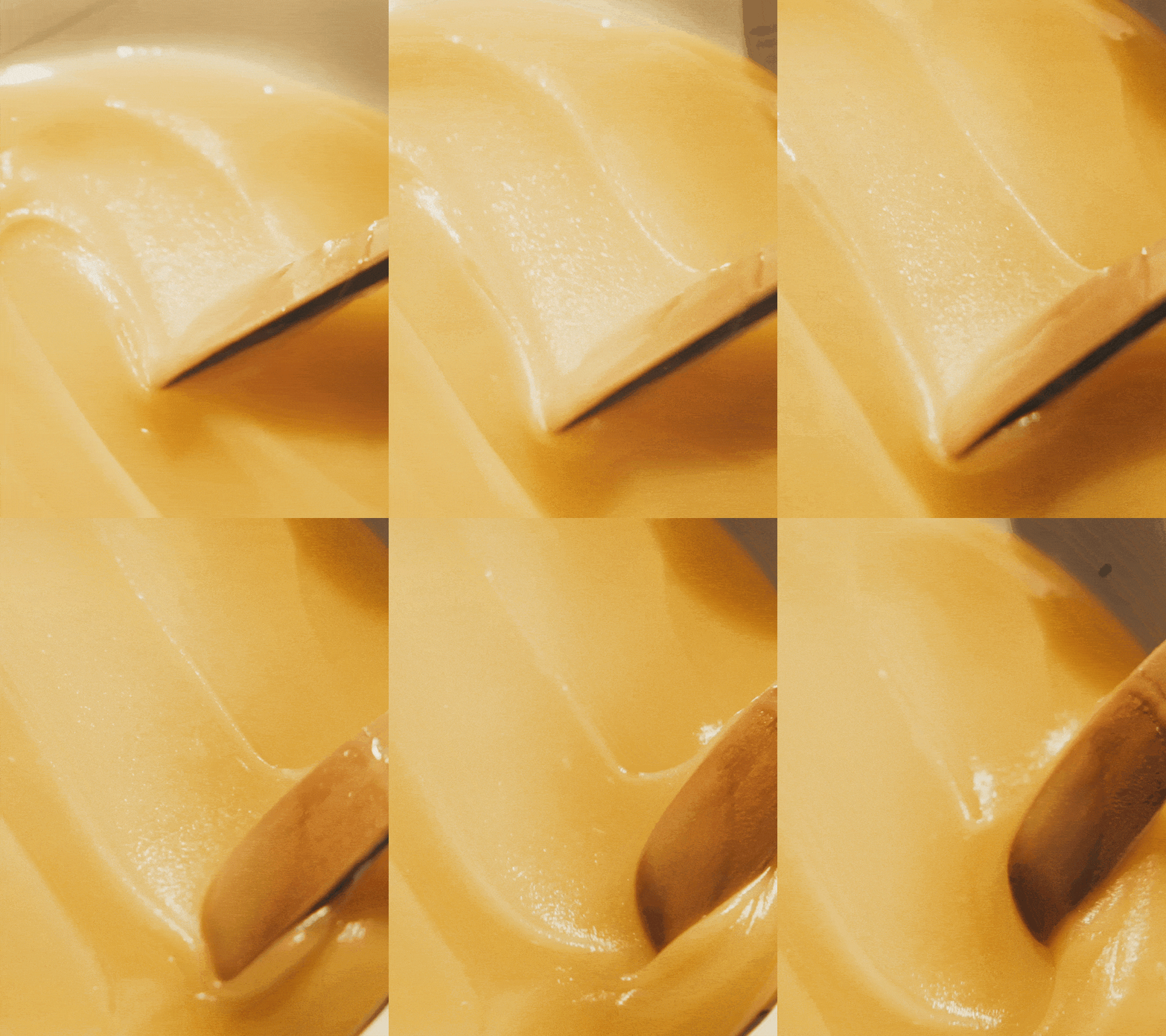
It doesn’t hit the tongue like ordinary honey. It lands softer. Butterier. Smoother. The sweetness doesn’t linger in a heavy way. It fades cleanly, which is part of why Tupelo Honey has become one of the most loved monofloral honeys in America.
At Savannah Bee Company, Tupelo Honey is more than a flagship. It is the honey that shaped the company’s point of view. It proved early on that one bloom, one place, and one short harvest can produce a honey so distinct that it changes the way people think about the entire category.
This guide explains what Tupelo Honey is, where it comes from, what it tastes like, why it is so special, and why a jar of Tupelo Honey feels unlike almost anything else on the shelf.
What Is Tupelo Honey?
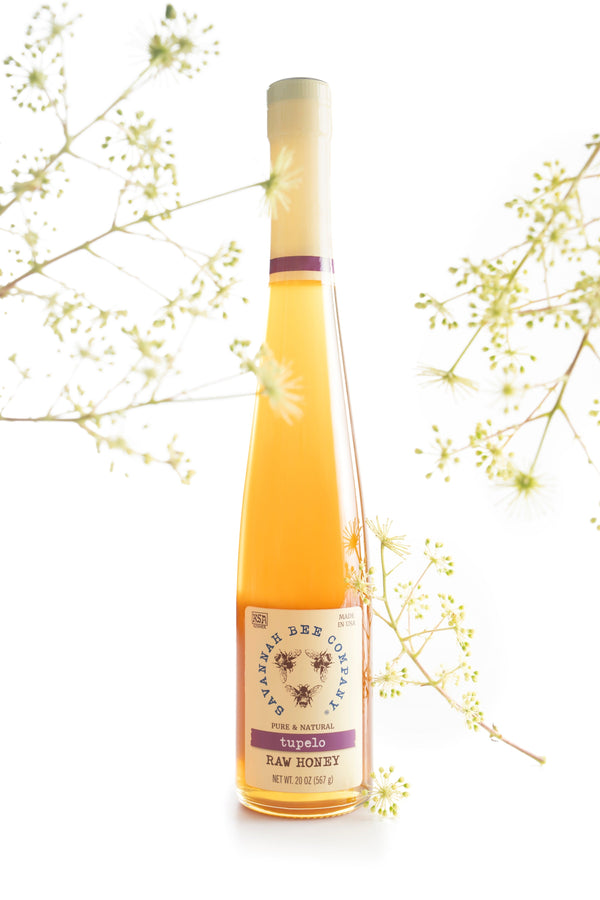
Tupelo Honey is a raw, monofloral honey made almost entirely from the nectar of white tupelo blossoms. And that specificity is everything.
All monofloral honeys reflect a single bloom, but tupelo is particularly special. It delivers a signature flavor that’s instantly recognizable: smooth, buttery, and delicately sweet and floral. It doesn’t just taste sweet. It tastes like Tupelo, distinct and impossible to replicate.
Where Tupelo Honey Comes From
Tupelo Honey is born in the swampy river basins along the Georgia–Florida line, in places like the Apalachicola and Altamaha River Basins, where white tupelo trees thrive in standing water.
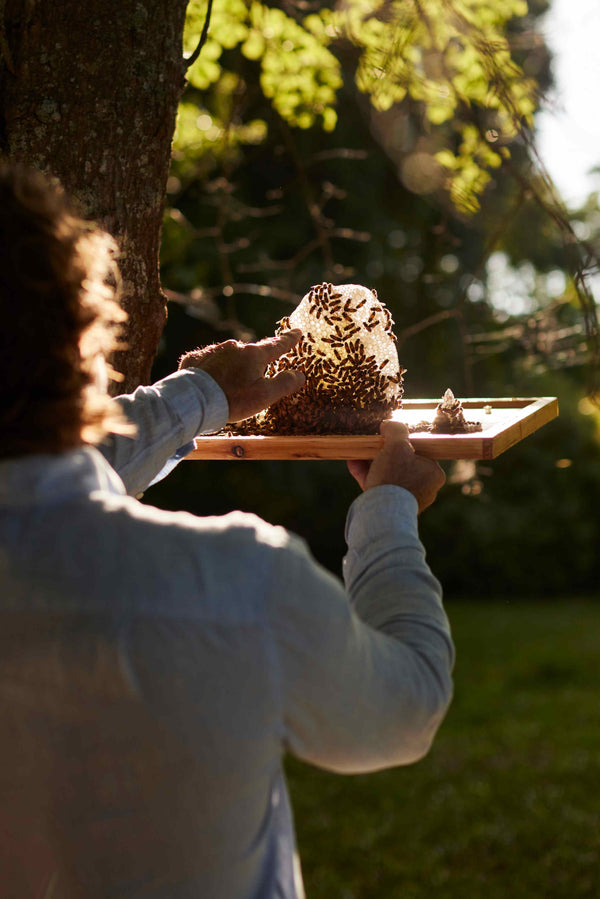
For just a few weeks each spring these trees bloom. Beekeepers navigate narrow waterways, often by boat, positioning hives deep in flooded forests to catch the nectar at exactly the right moment. Miss the bloom, and you miss the honey.
This is not a crop you can scale or relocate. It only happens here and only when nature allows.
Why Tupelo Honey Is So Special
Tupelo Honey is rare because everything about it is dependent on perfect conditions.
A short bloom window – roughly two to three weeks, once a year
A specific ecosystem – remote, floodplain forests where tupelo trees can grow
Hands-on harvesting – beekeepers moving hives by boat, timing everything to the bloom
A flavor that stands alone – buttery, floral, and clean, with a balanced sweetness that doesn’t crystallize easily
It’s one of the only honeys in the world where origin, timing, and taste align so completely.
What Does Tupelo Honey Taste Like?
Tupelo Honey tastes buttery, smooth, and softly sweet.
That buttery quality is the first thing many people notice. Then comes the finish: gentle, floral, and light on the tongue. It does not feel cloying. It does not crowd the palate. It leaves room for the flavor to feel elegant rather than blunt.
That is why Tupelo Honey often becomes the honey people compare all others to.
Tupelo Honey as a Monofloral Honey
Tupelo Honey is one of the clearest examples of why monofloral honey matters.
When a honey is shaped primarily by one dominant nectar source, the bloom can come through with much more clarity. In Tupelo Honey, that means the flower leaves a signature you can actually taste.
This is part of what makes Tupelo so useful as an educational honey too. It teaches the shelf in one spoonful. One bloom can change an entire jar.
Why Tupelo Honey Matters to Savannah Bee Company
Tupelo Honey is the honey that made Savannah Bee Company.
It sits at the center of the company’s honey story because it helped prove, early on, that people would care deeply about source, bloom, and flavor when the difference was clear enough to taste. It helped establish the company’s belief that honey should be treated with the same attention people give to coffee, wine, olive oil, or chocolate.
Tupelo Honey did not just become a best seller. It helped define the standard.
How to Use Tupelo Honey
Tupelo Honey is easy to love straight from the spoon, but it also shines in simple uses that let its flavor stay clear.
Drizzle it
Use it on warm biscuits, toast, yogurt, or fruit where the buttery sweetness can stay front and center.
Stir it gently
Add it to tea or other simple drinks when you want a honey that feels smooth rather than heavy.
Let it stand on its own
Tupelo Honey is one of those honeys that does not need much around it. A small spoonful is often enough to understand why it matters.
What to Look for in a Good Tupelo Honey
Look for a real origin
Georgia and Florida matter here. Tupelo Honey should feel tied to an actual landscape.
Look for a flavor profile that matches the honey
Buttery undertones and a soft finish are part of what make Tupelo Honey recognizable.
Look for the raw, monofloral identity
Tupelo Honey should be presented as a honey with a distinct floral source and a real place behind it.
Stay with the spoon.
Some honeys ask to be used. Tupelo Honey asks to be noticed first. Once you taste that buttery softness and clean finish, the rest of the shelf starts to look a little different.
Published
