


Pollination & Flower Fidelity

Bees do not move through flowers at random.
One of the most remarkable things about honeybees is how faithful they can be to a bloom.
When a honeybee finds a strong nectar or pollen source, she will often keep returning to the same kind of flower on that foraging trip instead of hopping unpredictably from one blossom to another. That behavior is called flower fidelity, or flower constancy, and it matters for much more than efficiency. It helps explain why bees are such effective pollinators, and it helps explain why one honey can taste completely different from another.
At Savannah Bee Company, that connection matters because it sits at the heart of how honey becomes so specific. Pollination and flower fidelity are not side notes to the honey story. They are part of the reason a jar can carry the signature of tupelo, orange blossom, acacia, or lavender so clearly.
This guide explains what pollination is, what flower fidelity means, why bees matter to flowering plants and food crops, and how bee behavior helps make monofloral honey possible.
What Is Pollination?
Pollination is the movement of pollen from one flower to another in a way that allows plants to reproduce.
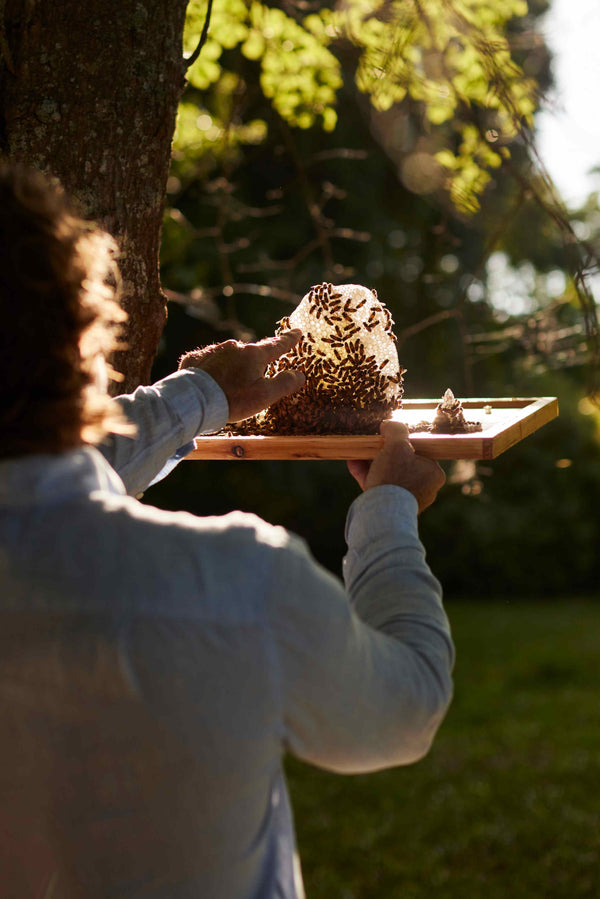
For many flowering plants and food crops, pollinators make that process possible. Bees are among the most important of those pollinators because they move deliberately from bloom to bloom while gathering nectar and pollen.
That is why pollination matters so much beyond the hive. It helps shape flowering landscapes, food systems, and the wider abundance people depend on.
Why Are Bees Important to Pollination?
Bees matter because they are efficient, abundant, and highly effective at moving pollen between compatible flowers.
USDA notes that pollination services from honey bees and other insects are central to a wide range of crops, with more than 100 U.S. crops depending on pollination. Pollinators also support the reproduction of a large share of flowering plants.
That means bees are important not only because they make honey. They are important because they help flowering systems do their work.
Bees collect both nectar and pollen
That search for food puts them in constant contact with flowers.
Bees visit flowers with purpose
They are not wandering aimlessly. They are following the reward.
Bees can return again and again to the same bloom type
That is where flower fidelity becomes especially important.
What Is Flower Fidelity?
Flower fidelity, also called flower constancy, is the tendency of a bee to keep visiting the same type of flower during a foraging trip even when other rewarding flowers are nearby.
This behavior makes bees more efficient. Once a bee learns how to work one flower shape well, staying with that bloom helps her gather resources faster.
It also makes bees better pollinators for many plants, because pollen from one flower is more likely to be carried to another flower of the same species.
Why Flower Fidelity Matters for Pollination
Flower fidelity helps make pollination more accurate.
When a bee keeps returning to the same flower type, the pollen she carries is more likely to land where it can do the most good: on another compatible bloom of the same species.
That is one reason honeybees are such important pollinators in orchards, fields, and flowering landscapes. Their behavior does not just move pollen around. It helps move the right pollen to the right flower.
Why Flower Fidelity Matters for Honey
Flower fidelity does not only help plants. It helps explain honey too.
When bees keep working one dominant bloom during a strong nectar flow, the honey they make can take on a clearer floral identity. That is part of what makes monofloral honey possible.
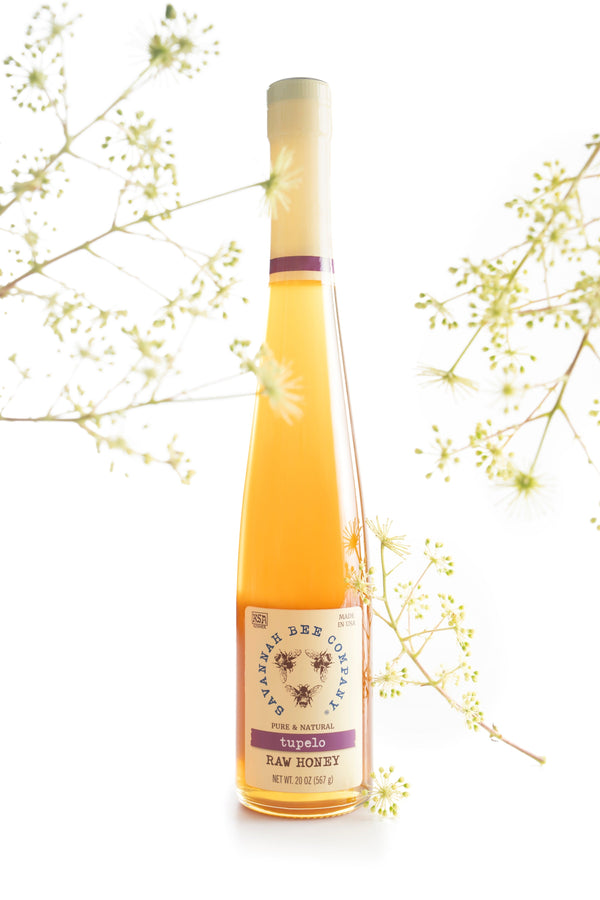
A jar of Tupelo Honey tastes different from Orange Blossom Honey because the bees are not gathering the same nectar. A jar of Acacia Honey does not read like Lavender Honey because the bloom story is different from the start.
That is why flower fidelity matters so much in the Savannah Bee Company world. It helps connect bee behavior to flavor.
Pollination, Flower Fidelity, and Monofloral Honey
Monofloral honey begins with a dominant bloom, but it is bee behavior that helps make that dominance legible in the jar.
When hives are placed near a strong bloom at the right moment, and bees keep returning to that flower source, the resulting honey can reflect that bloom with surprising clarity.
Tupelo Honey
The bloom window is narrow, which makes timing and bee behavior especially important.
Acacia Honey
The black locust bloom gives the honey its pale color and delicate feel.
Orange Blossom Honey
Citrus blossom leads the flavor, which is why the honey tastes bright and lightly fragrant.
Lavender Honey
The floral source gives the honey a richer, more aromatic profile.
This is one of the clearest examples of bees, flowers, and place shaping the jar together.
Why Pollination Matters Beyond Honey
The importance of pollination does not end with a beautiful jar on the shelf.
Pollination supports fruit, nut, seed, and vegetable production. It also supports the reproduction of flowering plants across wider ecosystems.
That is why conversations about why bees matter almost always come back to pollination. Honey is one gift of bee life. Pollination is one of the larger systems bees help keep in motion.
What Healthy Pollination Depends On
Good pollination depends on more than bees alone.
Healthy forage
Bees need flowering plants worth returning to.
Healthy environments
Pollinator-friendly landscapes give bees better chances to thrive and keep working bloom after bloom.
Timing
Bloom windows matter. If the flowers are right and the bees are strong, pollination works better.
Thoughtful stewardship
Beekeeping and habitat care both shape what bees can do in the field.
Follow the bees back to the bloom.
The more closely you look at pollination and flower fidelity, the easier it becomes to understand why honey is never just sweetness. It is bee behavior, bloom, and place held together in a form you can taste.
Published
